
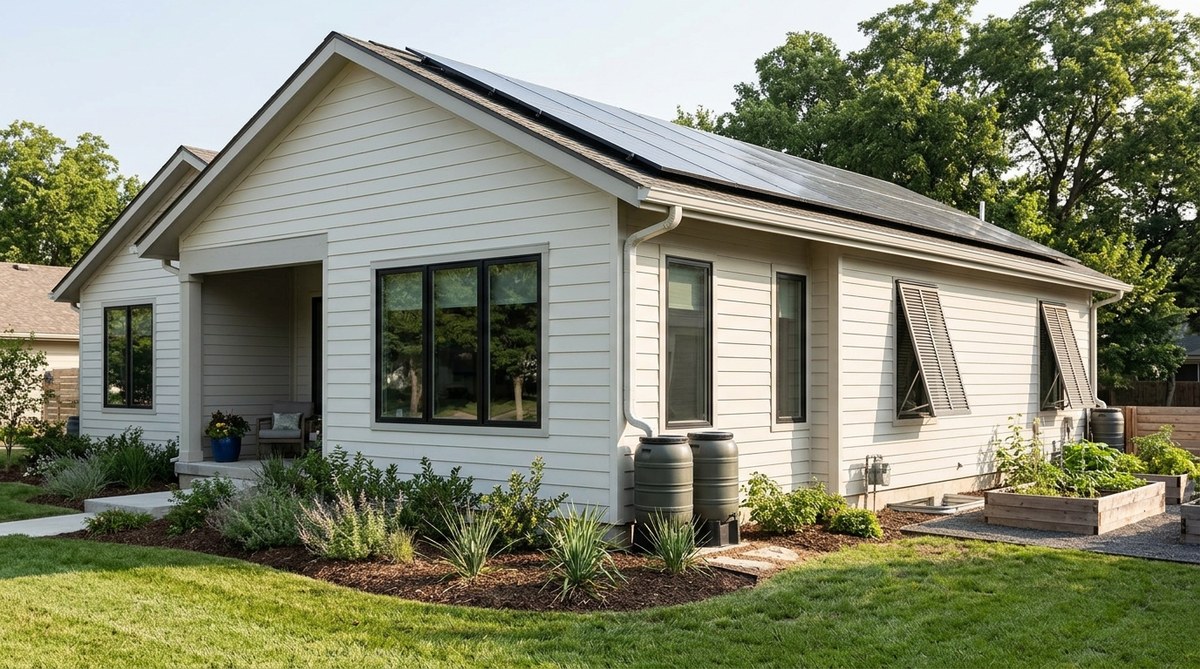
You turn on the news and see another heatwave, a flood warning, or a wildfire alert. It feels overwhelming. The good news is you don’t need a contractor crew or a second mortgage to make your home safer. Small, smart changes done over a weekend can cut your energy bills, reduce storm damage, and keep your family more comfortable. This guide shows you how to prepare your home for climate change on a budget using materials from your local hardware store and a little bit of sweat equity.
Protecting your home from climate change does not require a massive renovation budget. Small, affordable upgrades like weatherstripping, gutter cleaning, and strategic landscaping can reduce damage risks and lower your energy bills. Start with a simple home inspection, then prioritize the fixes that offer the most protection for the least cost. Every single dollar spent wisely today helps safeguard your home against tomorrow’s extreme weather events, including heat waves, heavy rain, and much colder winters.
Start With the Basics: Sealing and Insulating
The simplest and cheapest way to protect your home is to seal the envelope. Air leaks let heat pour in during summer and escape during winter. That drives up your utility bills and puts stress on your HVAC system.
Walk around your house with a candle or an incense stick on a windy day. Hold it near windows, doors, electrical outlets, and baseboards. If the flame flickers or the smoke moves sideways, you have a leak.
Fix those leaks with caulk and weatherstripping. A tube of caulk costs around five dollars. A roll of weatherstripping costs about ten dollars. For less than fifty dollars you can seal the entire ground floor.
Check your attic insulation too. Many homes built before 2000 have less insulation than current standards recommend. You can add fiberglass batts yourself. It is dusty work but it does not require special skills. The Department of Energy estimates that proper sealing and insulation can save you up to 15 percent on heating and cooling costs.
Low Cost Landscaping Changes That Make a Big Difference
Your yard is your home’s first line of defense against extreme weather. Strategic planting can shade your house, slow down runoff, and reduce wildfire risk.
- Plant deciduous trees on the south and west sides of your house. They block summer sun but let winter light through. A young tree from a nursery costs about thirty dollars.
- Keep mulch and dry vegetation away from your foundation. This reduces fire risk and discourages pests.
- Add a rain garden in low spots where water pools. Native plants with deep roots absorb excess water and prevent basement flooding.
- Raise the grade around your foundation so water flows away from the house. A few bags of topsoil and a rake can solve minor drainage issues.
These landscaping fixes cost very little compared to repairing water damage or replacing a failed HVAC unit. They also make your yard more pleasant and increase property value.
Water Management: Gutters, Downspouts, and Grading
Water is the most common cause of home damage. Heavy rain events are becoming more frequent across the United States. Your gutter system is your main defense.
Clean your gutters at least twice a year. Clogged gutters overflow and dump water right next to your foundation. That can lead to basement leaks, cracked walls, and mold. A gutter cleaning kit with a scoop and a trowel costs under fifteen dollars.
Extend your downspouts so they carry water at least five feet away from the house. You can buy flexible extensions for about ten dollars each. They snap right onto the existing downspout.
Check your downspout connections. If they are loose or leaking, a tube of gutter sealant costs around seven dollars. This is a ten minute fix that prevents thousands of dollars in foundation repairs.
If you have a basement, test your sump pump before every rainy season. Pour a bucket of water into the pit and watch it cycle on and off. Replace the battery backup if it is more than three years old.
Energy Efficiency Upgrades That Pay for Themselves
Some upgrades cost a bit more upfront but save you money month after month. Over time they more than pay for themselves.
| Upgrade | Typical Cost | Annual Energy Savings |
|---|---|---|
| Programmable thermostat | $25 to $40 | $50 to $100 |
| LED light bulbs (whole house) | $100 to $150 | $75 to $125 |
| Low flow showerheads (2 or 3) | $30 to $60 | $50 to $100 on water heating |
| Ceiling fan (one room) | $50 to $80 | $40 to $80 on AC use |
| Solar powered attic fan | $150 to $250 | $100 to $200 on cooling |
These upgrades are easy to install with basic tools. A programmable thermostat lets you set the temperature higher when you are away and cooler right before you get home. LED bulbs use 75 percent less energy than incandescent ones and last years longer. Low flow showerheads reduce the load on your water heater, which is a major energy hog in most homes.
Ceiling fans let you raise the thermostat by four degrees in summer without losing comfort. Solar attic fans pull hot air out of the attic before it radiates into your living space. They run on free sunlight and require no wiring.
For those ready to invest a little more, consider harnessing solar power innovations for a sustainable future. Even a single solar panel for a shed or garage can offset small appliance usage and give you experience with renewable energy.
A Step by Step Plan for Budget Friendly Climate Prep
Follow this plan over three weekends and you will have a much more resilient home without spending thousands.
-
Weekend one: Inspect and seal. Walk your home with a candle to find air leaks. Caulk gaps around windows and doors. Add weatherstripping to the front door and sliding glass door. Check attic insulation depth and add batts if needed.
-
Weekend two: Manage water. Clean all gutters and downspouts. Extend downspouts away from the foundation. Test the sump pump and replace the backup battery. Grade soil around the foundation so it slopes away.
-
Weekend three: Upgrade and landscape. Install a programmable thermostat. Swap out old light bulbs for LEDs. Add low flow showerheads. Plant a deciduous tree on the south side of the house. Create a rain garden or redirect downspouts into a dry well.
Each weekend costs less than one hundred dollars. Together these steps reduce your risk of storm damage, lower your energy bills, and increase your comfort during heatwaves and cold snaps.
Common Mistakes to Avoid
Many homeowners jump into big projects before handling the basics. Others buy expensive gear they do not really need. Here are the most common traps to avoid.
- Buying new windows before sealing existing ones. New windows cost thousands. Caulk and weatherstripping cost less than fifty dollars and often solve the draft problem.
- Ignoring the attic. Hot air rises and escapes through an unsealed attic. Insulation and air sealing up there give you the biggest return on investment.
- Power washing the roof yourself. High pressure water can lift shingles and cause leaks. Hire a pro or use a leaf blower instead.
- Over planting near the foundation. Bushes and mulch right against the siding trap moisture and invite termites. Keep at least twelve inches of clearance.
- Forgetting about winter. Cold snaps can freeze pipes and damage your roof. Insulate exposed pipes in the crawlspace and keep the heat above 55 degrees when you travel.
“The biggest mistake I see is homeowners spending money on cosmetic upgrades while their home’s envelope leaks like a sieve. Seal and insulate first. That is where the real savings and protection come from.” A home energy auditor with fifteen years of experience in the Pacific Northwest
When to Call in a Professional
Most of the tasks in this guide are DIY friendly. But some situations need expert help. If you find extensive mold, structural rot, or a foundation crack wider than a quarter inch, bring in a contractor. A serious drainage problem that involves grading the whole yard might require a landscaper with heavy equipment.
For energy upgrades that go beyond the basics, you can explore innovative strategies to reduce carbon footprints in urban areas and see what your community offers. Some cities and states provide free energy audits or rebates for insulation, heat pumps, and solar panels. Check with your utility company before starting any major project.
If you live in a region prone to wildfires, you might need a professional to create defensible space around your property. That includes clearing brush, trimming low branches, and installing ember resistant vents. Many fire departments offer free inspections and guidance.
Homeowners insurance companies are starting to offer discounts for climate resilience upgrades. Call your agent and ask. A simple certificate from an energy auditor could lower your premium by five to ten percent.
Building a Resilient Home Without Regret
Climate change is already here. Storms are stronger, summers are hotter, and winters bring surprises. But you do not have to feel helpless. Every small step you take makes your home more durable and your budget more manageable.
Start with the weekend plan above. Seal the leaks. Clean the gutters. Plant a tree. Swap the bulbs. These are not heroic gestures. They are smart, practical moves that any homeowner can make.
As your budget allows, keep going. Learn about the future of renewable energy and its impact on climate resilience. Look into how innovative technologies are transforming climate change mitigation for more advanced solutions. Each step builds on the last.
Your home is your biggest investment and your family’s shelter. By spending a little time and money now, you protect both for years to come. No need to break the bank. Just start where you are, use what you have, and keep moving forward.