
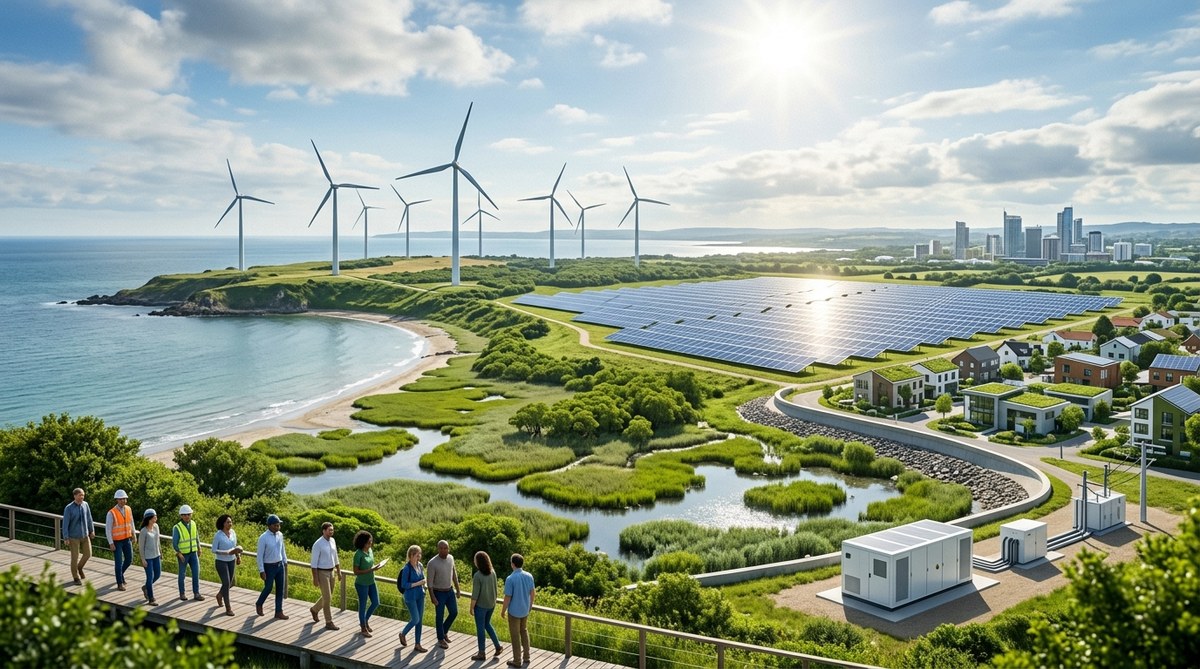
Renewable energy is no longer just a buzzword. It’s becoming the backbone of a resilient, sustainable future. As climate challenges intensify, the transition to cleaner energy sources offers more than just environmental benefits. It provides a pathway to strengthen communities against extreme weather, reduce greenhouse gases, and create a more stable economy. Understanding where renewable energy is headed reveals a promising picture for climate resilience and our planet’s health.
Advancements in renewable energy are pivotal for climate resilience. They help communities adapt to extreme weather, cut emissions, and foster sustainable growth. The future promises smarter, more integrated energy systems that support long-term environmental and social stability.
How renewable energy is shaping climate resilience
Renewable energy sources like solar, wind, hydro, and geothermal are transforming how we power our lives. Their importance extends beyond reducing carbon footprints. As climate change causes more frequent and severe weather events, renewable energy systems are becoming essential to maintaining power supply and supporting disaster recovery efforts. More resilient energy infrastructure means communities can better withstand floods, heatwaves, droughts, and storms.
Technological innovations boosting resilience
Recent developments are making renewable energy systems smarter and more adaptable. Energy storage solutions like advanced batteries allow for better handling of supply fluctuations. Microgrids, which can operate independently from the main grid, provide localized resilience during outages. Artificial intelligence helps optimize energy flow and improve decision-making, ensuring reliable power even in adverse conditions.
The role of policy and investment
Governments and private sectors recognize that supporting renewable energy is vital for climate resilience. Policies that promote grid modernization, incentivize renewable projects, and fund research accelerate this transition. Investment in resilient energy infrastructure not only reduces emissions but also creates jobs and stimulates local economies. Initiatives like community solar programs empower residents to participate actively in energy resilience efforts.
Practical steps to foster renewable energy-driven resilience
- Assess local energy vulnerabilities and map risks related to climate impacts.
- Invest in renewable energy projects that include energy storage and microgrid capabilities.
- Develop policies that prioritize resilient infrastructure and community-based energy solutions.
The future of renewable energy technologies
The coming years will see rapid advancements that make renewable energy more accessible, affordable, and reliable. Key innovations include:
- Next-generation solar panels with higher efficiency and durability.
- Floating wind turbines that unlock offshore wind potential in shallow and deep waters.
- Enhanced energy storage systems that store excess power for longer periods.
- Smart grids that dynamically respond to changing demand and supply conditions.
- Green hydrogen as a clean fuel alternative for heavy industries and transportation.
Techniques and common mistakes in renewable energy deployment
| Techniques | Mistakes to Avoid |
|---|---|
| Integrating storage with renewable sources | Overlooking grid capacity upgrades |
| Using modular and scalable systems | Ignoring local environmental and social impacts |
| Implementing smart grid technology | Underestimating maintenance and operational costs |
Expert advice on building resilient renewable systems
“Investing in flexible, decentralized energy solutions is key to climate resilience. As weather patterns grow more unpredictable, adaptable systems help communities stay powered and prepared,” emphasizes Dr. Lisa Morgan, a climate resilience researcher.
Challenges on the horizon
Despite the bright outlook, hurdles remain. High upfront costs, supply chain disruptions, and regulatory barriers can slow progress. Additionally, integrating renewable energy into existing grids requires careful planning and modernization. Addressing these issues is essential to achieve a resilient and sustainable energy future.
How policy shapes the path forward
Policy frameworks are critical in guiding renewable energy development. They can incentivize innovation, reduce barriers, and ensure equitable access. Successful policies include feed-in tariffs, renewable portfolio standards, and carbon pricing. International cooperation also plays a role in sharing technology, funding projects, and setting global climate goals.
Community-led initiatives
Local efforts often drive meaningful change. Community solar projects, local energy cooperatives, and resilience planning at the municipal level foster participation and inclusivity. These initiatives build social capital, increase awareness, and create resilient ecosystems.
Building a sustainable and resilient energy future
The transition to renewable energy is a complex but rewarding journey. It requires collaboration among governments, industries, researchers, and communities. Emphasizing innovation, policy support, and community engagement will accelerate progress. As technology advances, so will our ability to adapt to climate impacts and secure a healthier planet.
Practical tips for policymakers and industry leaders
- Prioritize investments in grid modernization and storage.
- Support research into emerging technologies like green hydrogen.
- Foster public-private partnerships for scalable projects.
- Promote education and community involvement in resilience planning.
The impact of renewable energy on global climate efforts
Adopting renewable energy at scale can dramatically cut global emissions. It supports the achievement of international climate targets like net-zero emissions by 2050. This shift also reduces reliance on fossil fuels, which are highly vulnerable to geopolitical and market fluctuations.
Scenarios for the coming decades
| Scenario | Key features | Risks and opportunities |
|---|---|---|
| Business as usual | Continued reliance on fossil fuels, slow renewable adoption | Increased climate impacts, missed sustainability goals |
| Accelerated renewable deployment | Rapid technology adoption, strong policy support, infrastructure upgrades | Economic growth, job creation, notable emission reductions |
| Green innovation and resilience focus | Integration of cutting-edge tech, community resilience programs, global cooperation | Potential for transformative change, requires sustained investment |
Preparing for a resilient energy system
Achieving a future where renewable energy enhances climate resilience involves careful planning. Key actions include:
- Conducting vulnerability assessments.
- Investing in resilient infrastructure.
- Promoting policies that support adaptation.
- Encouraging innovation and research.
- Engaging communities in resilience strategies.
Looking ahead: shaping a resilient energy landscape
The future of renewable energy is bright when paired with forward-thinking policies and innovative technologies. As we develop smarter grids, storage, and decentralized systems, we make our communities more prepared for climate shocks. Every step taken today builds the foundation for a healthier, more resilient planet tomorrow.
Remember, each of us can contribute by staying informed, supporting sustainable policies, and advocating for resilient energy solutions. Together, we can shape a future where renewable energy not only powers our lives but also safeguards our world against the unpredictable impacts of climate change.