
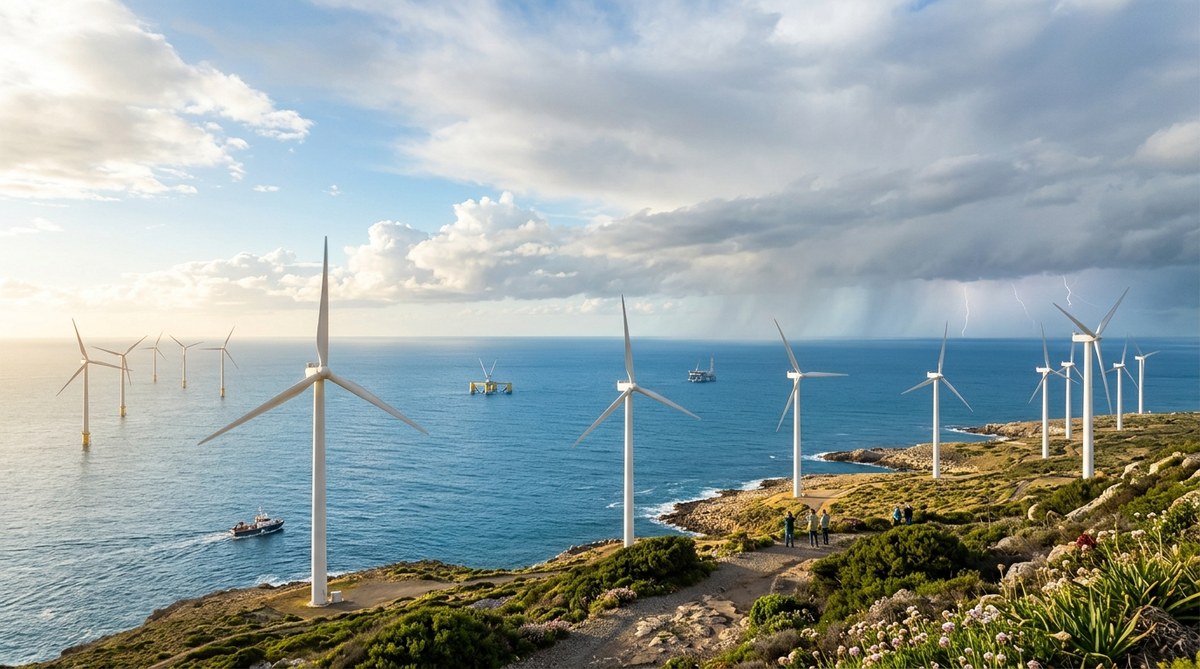
Wind energy is gaining momentum as one of the most promising sources of renewable power. As climate change accelerates and energy demands grow, the future of wind energy becomes even more critical. Innovations in turbine technology, smarter grid integration, and expanding offshore projects are paving the way for a cleaner, more sustainable energy landscape. However, this transition also faces hurdles like fluctuating wind patterns, regulatory barriers, and infrastructure needs. Understanding these dynamics helps us grasp what lies ahead for wind power in a rapidly changing world.
The future of wind energy hinges on technological innovation, policy support, and adapting to climate impacts. While promising growth opportunities exist, overcoming current challenges is essential to unlock its full potential in our evolving climate landscape.
The evolving landscape of wind energy
Wind energy has been a part of the renewable mix for decades. Today, its role is expanding rapidly. Governments, industries, and communities recognize wind power as a vital component in reducing greenhouse gas emissions and achieving energy independence. Advances in turbine design, materials, and digital management are boosting efficiency and lowering costs. Offshore wind farms, in particular, are poised to become game changers, offering vast potential beyond traditional onshore sites.
Technological innovations shaping the future
Next-generation turbines
New wind turbine models are more powerful, efficient, and adaptable. Larger blades and taller towers allow turbines to capture more wind at higher altitudes. Innovations like floating wind turbines open new possibilities in deep waters where fixed foundations aren’t feasible. Researchers are also working on smarter blades equipped with sensors to optimize performance and reduce maintenance needs.
Digital and grid integration
The future of wind energy relies on smarter systems. Digital tools enable real-time monitoring, predictive maintenance, and performance optimization. Integrating wind power into existing grids remains a challenge but is crucial for stability and reliability. Enhanced energy storage solutions like batteries and thermal storage will help balance variability and ensure a steady supply.
Hybrid and offshore projects
Combining wind with other renewables like solar or hydropower can create more resilient energy systems. Offshore wind projects are scaling up, with some reaching capacity levels that can power entire cities. Floating wind technology makes it possible to harness wind resources in locations previously inaccessible, expanding the geographic footprint of wind energy.
Opportunities for growth and development
-
Expanding offshore wind farms: The vast ocean spaces and stronger winds make offshore sites ideal for large-scale projects. Countries investing in offshore infrastructure stand to benefit from significant energy gains and economic development.
-
Policy support and incentives: Governments worldwide are setting ambitious targets for renewable energy. Supportive policies, tax credits, and subsidies can accelerate wind project deployment and innovation.
-
Community and stakeholder engagement: Local communities are increasingly involved in planning and benefiting from wind projects. This collaboration fosters acceptance and sustainable development.
-
Investment in research and development: Funding new technologies, materials, and grid solutions will be crucial for overcoming current limitations and boosting efficiency.
Challenges on the horizon
-
Climate variability: Changing wind patterns influenced by climate change can impact project viability and energy output. Accurate forecasting and flexible designs are necessary to adapt.
-
Environmental and social concerns: Noise, visual impact, and effects on wildlife remain issues to address. Responsible siting and mitigation strategies are key.
-
Regulatory and permitting hurdles: Navigating complex legal frameworks can slow down project timelines. Streamlining processes while maintaining environmental standards is vital.
-
Infrastructure needs: Upgrading grids and building new transmission lines require significant investments and planning.
| Technique | Benefit | Common Mistake |
|---|---|---|
| Advanced blade design | Higher efficiency | Overlooking maintenance needs |
| Floating wind turbines | Access to deep waters | Underestimating weight and stability issues |
| Digital twins | Predictive maintenance | Relying solely on historical data |
| Enhanced energy storage | Balancing supply and demand | Ignoring location-specific factors |
“The key to unlocking wind energy’s potential lies in embracing innovation while carefully managing environmental and social impacts,” advises Dr. Emma Carter, a leading researcher in renewable energy systems.
How to prepare for the wind energy future
As professionals, policymakers, or students, staying informed and adaptable is essential. Here are practical steps to engage with wind energy’s evolving landscape:
- Stay updated on technological advances by following industry reports and research publications.
- Advocate for supportive policies that encourage renewable development and infrastructure upgrades.
- Participate in community planning to ensure projects align with local needs and environmental standards.
- Invest in workforce training to develop skills needed for new turbine technologies and grid integration.
- Support research efforts focused on climate resilience and innovative design solutions.
Practical steps to harness wind energy’s potential
- Identify promising sites with favorable wind conditions and minimal environmental conflicts.
- Collaborate with stakeholders early to build consensus and address concerns.
- Incorporate digital monitoring tools to optimize performance and maintenance.
- Plan for grid upgrades and storage solutions to handle variable output.
- Monitor climate trends to adapt project designs and forecasts accordingly.
| Techniques for future-proof wind projects | Common mistakes to avoid |
|---|---|
| Using high-capacity turbines in optimal locations | Overestimating wind resources without thorough analysis |
| Integrating storage solutions from the start | Neglecting grid capacity limitations |
| Incorporating climate resilience features | Underestimating environmental impact or community concerns |
| Employing digital twin technology for operations | Relying solely on past data without considering climate change |
Embracing wind’s role in a sustainable future
The outlook for wind energy is optimistic, with continuous innovations and supportive policies driving growth. Despite challenges like climate variability and infrastructure needs, the sector is poised to deliver significant environmental and economic benefits. Embracing technological advances, fostering collaboration, and prioritizing sustainability will help unlock wind power’s full potential.
Investing in wind energy today sets the foundation for a cleaner, more resilient energy system tomorrow. By understanding emerging trends and proactively addressing hurdles, energy professionals and policymakers can shape a future where wind not only contributes but leads in global power generation.
Winds of change shaping tomorrow’s energy landscape
Taking action now means preparing for a future where wind energy is more efficient, widespread, and resilient. Whether by supporting innovative projects, advocating for smart policies, or investing in workforce skills, everyone has a role. The future of wind energy offers a promising path forward, powered by technological progress and a shared commitment to sustainability.
Ready to contribute to the wind energy revolution? Embrace the opportunities, stay curious about emerging innovations, and help build a resilient, sustainable energy future for all.