
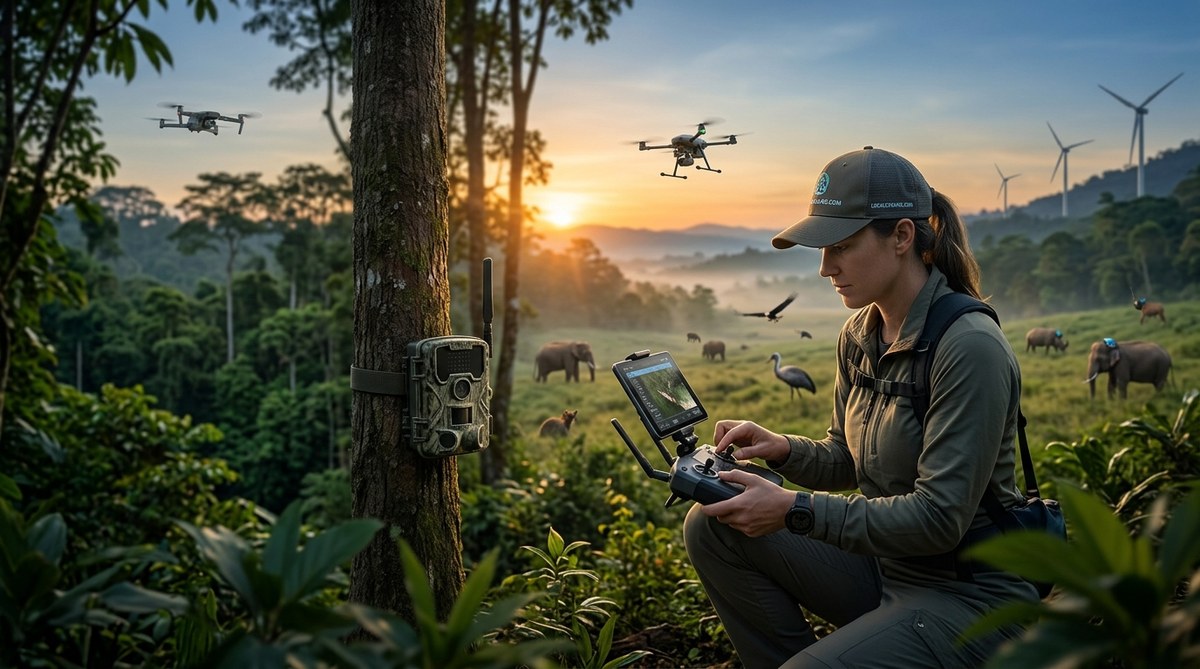
Protecting endangered species requires more than just good intentions. It demands targeted actions, innovative ideas, and a deep understanding of the challenges these species face. As environmental pressures grow, conservation strategies must evolve to be more effective and adaptable. By combining science, community involvement, and technology, we can create meaningful change. Whether you’re a researcher, conservationist, or eco-conscious individual, understanding and implementing these strategies can help turn the tide for endangered wildlife.
Innovative conservation strategies for endangered species involve habitat protection, community engagement, technology use, and policy support. Combining these approaches can significantly improve survival chances and foster coexistence between humans and wildlife.
Understanding the Foundation of Conservation Efforts
Conservation strategies for endangered species aim to address the complex web of threats these animals face. Habitat destruction, poaching, climate change, invasive species, and pollution all contribute to declining populations. Effective efforts recognize that no single approach will solve all issues. Instead, a combination of methods tailored to specific species and environments creates the best chance for success.
Successful conservation begins with understanding the species’ needs and threats. This knowledge guides targeted actions that maximize impact. It also involves fostering partnerships among governments, local communities, scientists, and NGOs. By working together, resources and expertise can be pooled to implement comprehensive solutions.
Practical Processes for Implementing Conservation Strategies
Protecting the natural environments where endangered species thrive is foundational. This can involve designating protected areas, creating wildlife corridors, and restoring degraded habitats. Ensuring legal protections and community support helps sustain these zones long-term.
Emerging tools like drone surveillance, camera traps, and environmental DNA sampling enable conservationists to monitor populations more efficiently. These technologies help track animal movements, detect poaching activities, and assess habitat health, leading to more informed decisions.
- Engage and Educate Local Communities
Local communities are often the first line of defense and can be allies in conservation. Strategies include providing alternative livelihoods, involving residents in monitoring efforts, and raising awareness about the importance of protecting biodiversity. Community-led initiatives foster sustainable coexistence.
Additional Practical Steps
- Implement captive breeding programs to bolster wild populations.
- Enforce anti-poaching laws with better surveillance and penalties.
- Promote eco-tourism that benefits local economies while conserving wildlife.
- Conduct research to understand species-specific needs and adapt strategies accordingly.
- Support policies that prioritize biodiversity and habitat preservation.
Techniques and Common Mistakes in Conservation
| Technique | Common Mistake |
|---|---|
| Habitat protection | Ignoring local community needs |
| Technology use | Relying solely on tech without ground support |
| Community engagement | Using top-down approaches that alienate locals |
| Captive breeding | Focusing only on numbers without habitat considerations |
| Policy advocacy | Underestimating enforcement challenges |
“Technology is a powerful tool in conservation, but its success depends on integrating local knowledge and ensuring community buy-in,” emphasizes Dr. Lena Martinez, a wildlife biologist. Engaging communities and respecting their needs can turn potential conflicts into partnerships.
Innovative Techniques Transforming Conservation
- Drones and remote sensing: Provide real-time habitat monitoring and anti-poaching surveillance.
- Genomics and environmental DNA: Help assess genetic diversity and detect elusive species without invasive methods.
- Artificial intelligence: Analyzes vast data to predict poaching hotspots or habitat changes.
- Blockchain technology: Tracks supply chains to prevent illegal wildlife trade.
- Biotechnology: Uses genetic tools to enhance species resilience or develop disease resistance.
Overcoming Implementation Barriers
Despite technological advances, challenges like high costs, lack of infrastructure, and limited expertise can hinder adoption. Addressing these obstacles requires training, funding, and collaborative efforts to scale solutions effectively.
A Collaborative Approach to Conservation Success
Combining scientific innovation with community participation creates a resilient framework. By sharing knowledge, resources, and responsibilities, conservation initiatives can adapt to changing conditions and threats.
Funding is critical. Supporting organizations that focus on tech-driven projects or habitat restoration amplifies impact. Initiatives like local cooling demonstrate how technological and community solutions can work together for wildlife protection.
How You Can Make a Difference
Whether you are a researcher, advocate, or eco-conscious citizen, your actions matter. Supporting policies that prioritize conservation, volunteering for local projects, or spreading awareness about endangered species can contribute to meaningful change.
Building a Future Where Wildlife Thrives
Effective conservation strategies for endangered species are rooted in understanding, innovation, collaboration, and persistence. By adopting a multi-layered approach, we can safeguard biodiversity for generations to come. Remember, every effort counts, and collective action is our greatest asset. Engage with local initiatives, support technological advancements, and advocate for policies that protect wildlife habitats. Together, we can create a future where endangered species not only survive but flourish.
Protecting endangered species is a shared responsibility that calls for creativity and commitment. By integrating habitat preservation, technology, community involvement, and policy support, we lay the groundwork for lasting conservation success. Stay informed, get involved, and keep pushing for innovative solutions. Your dedication can help tip the balance back in favor of our planet’s most vulnerable wildlife.