
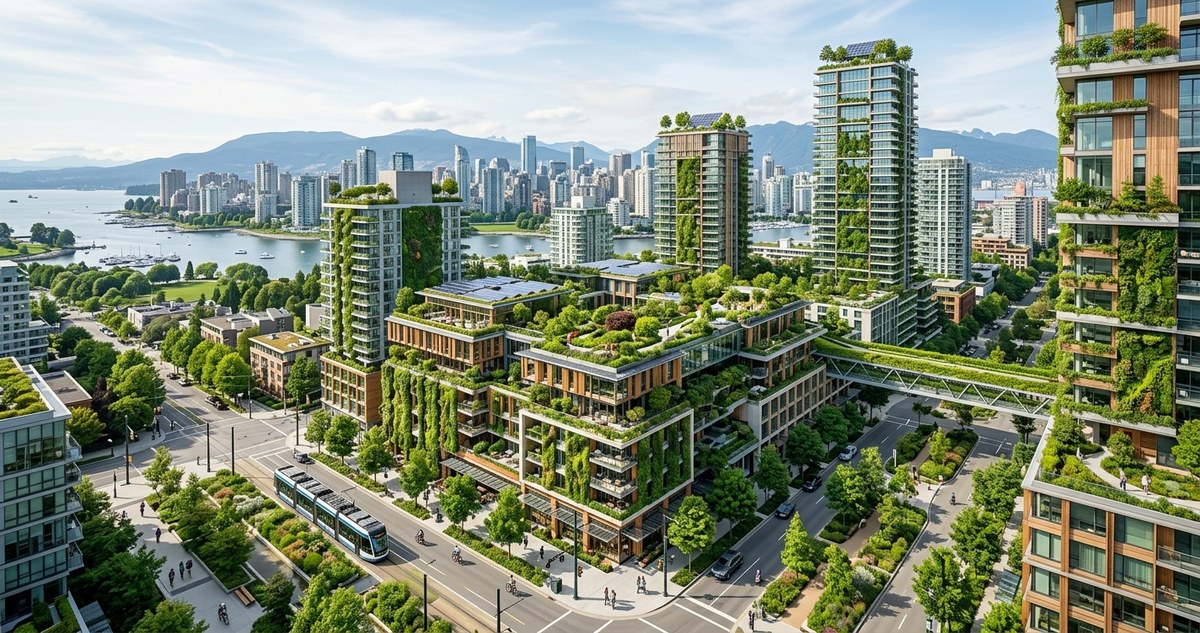
Urban areas are responsible for a large share of global carbon emissions. As cities expand, finding effective ways to lower their environmental impact becomes crucial. Green infrastructure offers a promising path forward. By integrating natural elements into urban design, cities can cool down, improve air quality, and reduce overall carbon footprints. This article explores how green infrastructure transforms urban spaces into more sustainable, resilient environments for everyone.
Green infrastructure plays a vital role in lowering urban carbon footprints by utilizing natural systems like trees, green roofs, and permeable surfaces. Implementing these solutions involves planning, planting, and maintenance strategies that enhance city resilience and sustainability.
Understanding green infrastructure and its role in reducing urban carbon footprints
Green infrastructure refers to a network of natural and semi-natural systems designed to manage water, improve air quality, support biodiversity, and mitigate climate impacts. Unlike traditional gray infrastructure, which relies heavily on concrete and steel, green infrastructure emphasizes natural processes. It includes features like parks, green roofs, urban forests, rain gardens, and permeable pavements.
In urban settings, green infrastructure contributes to carbon reduction in several ways. It cools hot cities by providing shade and transpiration, reducing dependence on air conditioning. Trees and vegetation absorb carbon dioxide, acting as natural carbon sinks. Additionally, permeable surfaces help manage stormwater, decreasing the need for energy-intensive drainage systems. Combined, these elements foster healthier, more sustainable cities.
Practical steps to integrate green infrastructure for carbon reduction
Implementing green infrastructure requires strategic planning and community involvement. Here are some practical steps:
-
Assess local needs and opportunities
Conduct a detailed analysis of the city’s climate, existing green spaces, water flow, and pollution sources. Identify underutilized areas suitable for greening projects. -
Design multi-benefit green features
Incorporate features like green roofs on commercial buildings, urban trees along streets, and rain gardens in neighborhoods. These elements should serve multiple functions, such as cooling, air purification, and stormwater management. -
Prioritize maintenance and community engagement
Regular upkeep ensures the longevity of green infrastructure. Engage local residents and stakeholders to foster stewardship and support for ongoing projects.
Techniques for green infrastructure implementation
| Technique | Purpose | Common Mistakes |
|---|---|---|
| Planting native trees | Maximize survival and ecological benefits | Overplanting in unsuitable soil |
| Installing green roofs | Reduce building energy use and urban heat island | Poor drainage design |
| Using permeable pavements | Allow water infiltration to reduce runoff | Incorrect installation leading to clogging |
| Creating rain gardens | Capture stormwater and filter pollutants | Oversizing or undersizing the system |
Tips for successful green infrastructure projects
- Select plant species suited to local climate
- Use soil amendments to improve water retention
- Design for ease of maintenance and accessibility
- Incorporate community input for better acceptance
- Monitor performance and adapt strategies over time
“Green infrastructure not only reduces carbon emissions but also enhances urban resilience and livability. Its success depends on thoughtful design, proper maintenance, and active community participation,” notes environmental engineer Dr. Lisa Green.
Common challenges and how to avoid them
| Challenge | How to prevent or address |
|---|---|
| Insufficient funding | Seek grants, public-private partnerships |
| Lack of stakeholder buy-in | Conduct outreach and education campaigns |
| Poor planning and design | Collaborate with experts and urban planners |
| Maintenance neglect | Establish clear responsibilities and budgets |
Engaging communities and policymakers
Effective green infrastructure projects thrive on community support and policy backing. Educate residents about the benefits of urban greening and involve them in planning and stewardship. Policymakers can facilitate change by adopting supportive zoning laws, providing incentives for green building practices, and integrating green infrastructure into city master plans.
By aligning community interests and policy goals, cities can accelerate the adoption of green solutions that cut carbon emissions and improve quality of life.
Innovative approaches to green infrastructure in cities
Cities worldwide are experimenting with novel ideas to boost green infrastructure’s impact. Examples include vertical gardens on building facades, urban farms that combine food production with greening, and smart irrigation systems that conserve water. These innovations make green infrastructure more adaptable and effective in reducing urban heat and carbon footprints.
Emerging technologies like remote sensing and GIS mapping help planners track changes and optimize green space distribution, ensuring maximum environmental benefits.
How green infrastructure supports broader climate goals
Green infrastructure complements broader efforts to reach net zero emissions. It reduces energy consumption, improves air quality, and enhances urban biodiversity. These benefits contribute to climate adaptation and mitigation strategies crucial for resilient cities.
By adopting green infrastructure as a core component of urban planning, cities can meet their climate commitments more effectively and foster healthier communities.
Final thoughts: making green infrastructure a routine part of city life
Transforming cities through green infrastructure requires a collective effort. Urban planners, policymakers, and residents must work together to integrate natural systems into daily life. Starting with small projects, such as street trees or pocket parks, can build momentum for larger initiatives.
The key lies in recognizing the multiple advantages green infrastructure offers. It is not just about reducing carbon footprints but creating vibrant, resilient spaces where people and nature thrive.
Cultivating resilient, low-carbon urban environments
Cities have the power to lead the way in climate action through thoughtful green infrastructure. By planning carefully, engaging communities, and embracing innovation, urban areas can significantly lower their carbon impact. Green spaces and natural systems are more than aesthetic enhancements—they are essential tools for building sustainable, healthy cities for generations to come.