
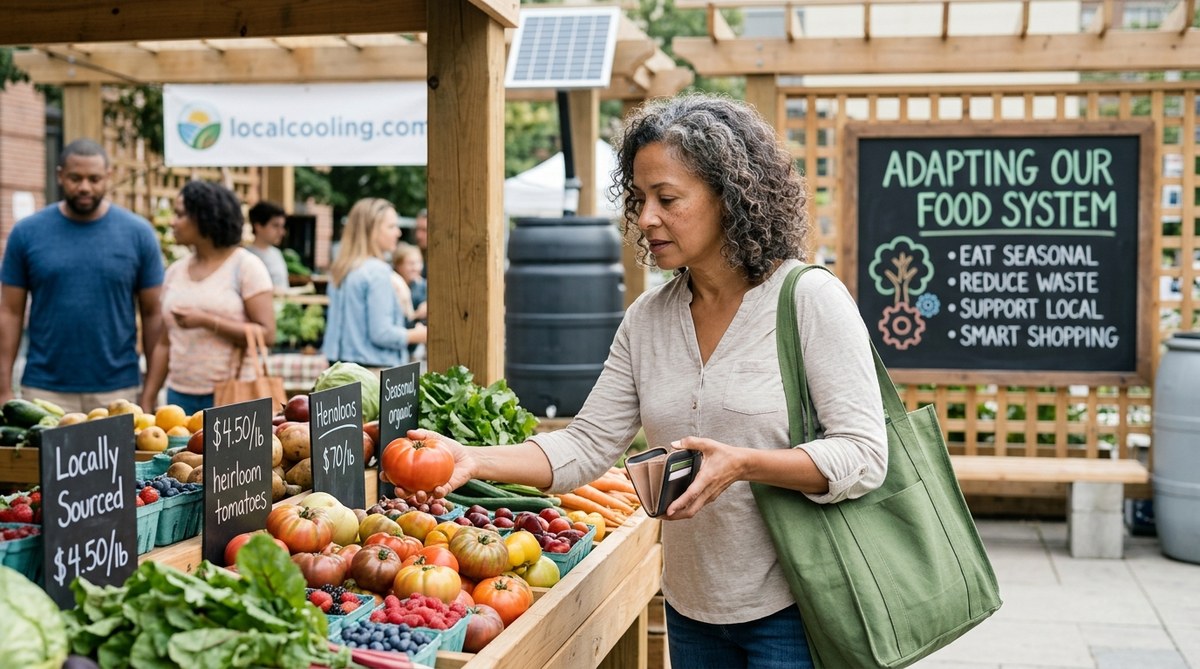
You open your weekly grocery app and blink. The same cart of basics — eggs, bread, chicken, a bag of apples — now costs nearly forty dollars more than it did last year. You check the receipt again. No mistakes. The price of food is climbing, and you are not alone. Across the United States, families are feeling the pinch at the checkout counter. The culprit? A warming planet that is quietly rewriting the economics of farming, shipping, and selling your dinner. Understanding the link between climate change and grocery prices is the first step to adjusting your budget without sacrificing what you love to eat.
Rising global temperatures fuel extreme weather that damages crops, disrupts supply chains, and spikes food prices. In 2026, climate shocks like droughts in the West and floods in the Midwest continue to shrink harvests and squeeze budgets. But you can fight back: shop seasonally, reduce waste, grow your own herbs, and support local farms. Small shifts protect your wallet and build resilience against future price jumps.
Why Your Grocery Bill Keeps Climbing
The numbers are stark. The consumer price index for food at home rose more than 11% in the past two years, with another jump expected in 2026. Inflation plays a part, but a deeper force is at work: climate change. When a heat wave scorches California’s Central Valley, the tomato harvest shrinks. When a hurricane slams into Florida’s orange groves, next year’s juice concentrate costs more. When floods delay truck shipments across the Midwest, lettuce rots on the tarmac.
These events are no longer rare. They happen every season. And each time they do, the cost ripple reaches your neighborhood store. The price of a loaf of bread or a carton of milk is tied directly to the weather that helped produce it. As the climate continues to warm, those weather patterns become more volatile. Your grocery bill becomes a mirror of the environment.
The Climate-Food Price Connection
Let’s break down how a warmer world translates into higher checkout totals. The table below shows common climate events, how they harm food production, and what you end up paying more for.
| Climate Event | Impact on Farms and Supply Chains | Effect on Your Grocery Bill |
|---|---|---|
| Severe drought in the West | Lower yields for almonds, avocados, tomatoes, and hay for dairy cows | Higher prices for nuts, guacamole, pasta sauce, and milk |
| Flooding in the Midwest | Delayed planting and rotting crops of corn, soybeans, and wheat | Increased cost of bread, cereal, cooking oil, and animal feed (which raises meat and egg prices) |
| Hurricane hitting the Gulf Coast | Damaged citrus farms and disrupted port operations | Price spikes for orange juice, bananas, and imported coffee |
| Heat wave in the Pacific Northwest | Stressed salmon runs and reduced fruit quality | Expensive salmon fillets and smaller, pricier berries |
| Wildfire smoke in wine country | Smoke taint on grapes and reduced tourism to farming regions | Higher price for wine and table grapes |
Each row tells a story of a specific climate shock. Put them together, and you see a pattern: climate change grocery prices are no longer a distant concern. They are a monthly reality.
What You Can Do to Protect Your Wallet
You cannot control the weather, but you can control how you shop, cook, and plan. Here are three practical steps to lower your grocery bill while also reducing your carbon footprint.
-
Audit your food waste. The average American family throws away about $1,500 worth of food each year. That’s money that literally ends up in the trash. Start a “waste log” for one week. Write down everything you toss. You will spot patterns — maybe you buy too many bananas or forget leftovers in the back of the fridge. Once you know your waste, you can cut it in half. Use smaller plates, freeze extras, and plan meals around what you already have.
-
Shop seasonal and local. Produce that is in season in your region costs less because it does not require long-distance shipping or expensive storage. In 2026, local farmers’ markets are more important than ever. Buy a winter squash in October instead of imported zucchini. Pick apples in the fall instead of shipped berries. Many farmers offer “ugly” produce at a discount — perfectly good fruit that never made it to the supermarket shelf. That saves you money and keeps food out of the landfill.
-
Grow your own herbs and greens. You do not need a big yard. A sunny windowsill can host basil, mint, chives, and lettuce. A small pot of cherry tomatoes can yield pounds of fruit over the summer. Herbs from the store cost two to four dollars a bunch. A single basil plant costs the same and keeps producing for months. Plus, gardening connects you to the season and cuts the carbon miles on your plate.
Other small changes add up:
- Buy frozen vegetables and fruits when fresh prices spike. They are just as nutritious and last longer.
- Swap one meat-based meal per week for a plant-based one. Beans and lentils are cheap and have a lower climate footprint.
- Join a community-supported agriculture (CSA) share. You get a box of local produce every week, often at a lower price than the grocery store.
Common Mistakes That Cost You More
Even well-intentioned shoppers make choices that inflate their bill. The table below pairs a familiar mistake with a better approach.
| Mistake | Why It Hurts Your Budget | Smarter Move |
|---|---|---|
| Buying pre-cut fruits and vegetables | You pay a premium for convenience. A bag of pre-cut apples can cost three times more than whole ones. | Cut your own produce. It stays fresher longer and costs less. |
| Shopping without a list | You impulse-buy expensive snacks and duplicate items you already have. | Write a list based on your meal plan and stick to it. |
| Ignoring unit prices | The largest package is not always the best value. | Use the shelf label to compare price per ounce or per pound. |
| Throwing away leftovers | You waste food you already paid for. | Designate one night a week as “leftover night” or repurpose them into soup or stir-fry. |
“The most powerful tool most households have against rising food prices is the ability to waste less and eat smarter,” says Maria Alvarez, a food systems researcher at the University of California. “Every pound of food you save is a pound of money in your pocket — and a little less pressure on a stressed planet.”
The Bigger Picture: Why This Matters for Your Future
Climate change does not just hit your wallet today. It sets the stage for long term food price inflation. As global temperatures rise, the regions that grow staple crops like wheat and corn shift north. Soil health declines. Water becomes scarcer. Supply chains become more fragile. In 2026, we are already seeing the early signs of these shifts.
That is why the steps you take at home matter beyond your own budget. When you waste less, you reduce demand for new production. When you buy local, you support farms that are practicing sustainable methods. When you grow herbs in your kitchen, you cut the carbon footprint of your meals. These actions add up.
If you want to understand how larger systems are adapting, check out our guide on how climate change is driving innovation in agriculture. You can also learn about innovative strategies to reduce carbon footprints in urban areas that can inspire neighborhood food projects. And for a deeper look at energy’s role, see the future of renewable energy and its impact on climate resilience.
Small Changes That Add Up to Big Savings
You do not have to overhaul your entire diet or lifestyle overnight. Start with one change: check your pantry before you shop. Or plant a single pot of basil on your windowsill. Or pick up a bag of frozen spinach instead of fresh when the price jumps. Each choice sends a small signal to your wallet and to the food system that you are adapting.
The connection between climate change and grocery prices is real, but it is not something you have to face helplessly. By understanding the weather behind the price tags, you gain the power to spend smarter. So next time you see a high price on a carton of eggs, remember the drought that dried the chicken feed — and then reach for the seasonal veggies that cost a fraction of the price. Your wallet, your health, and the planet will thank you.