
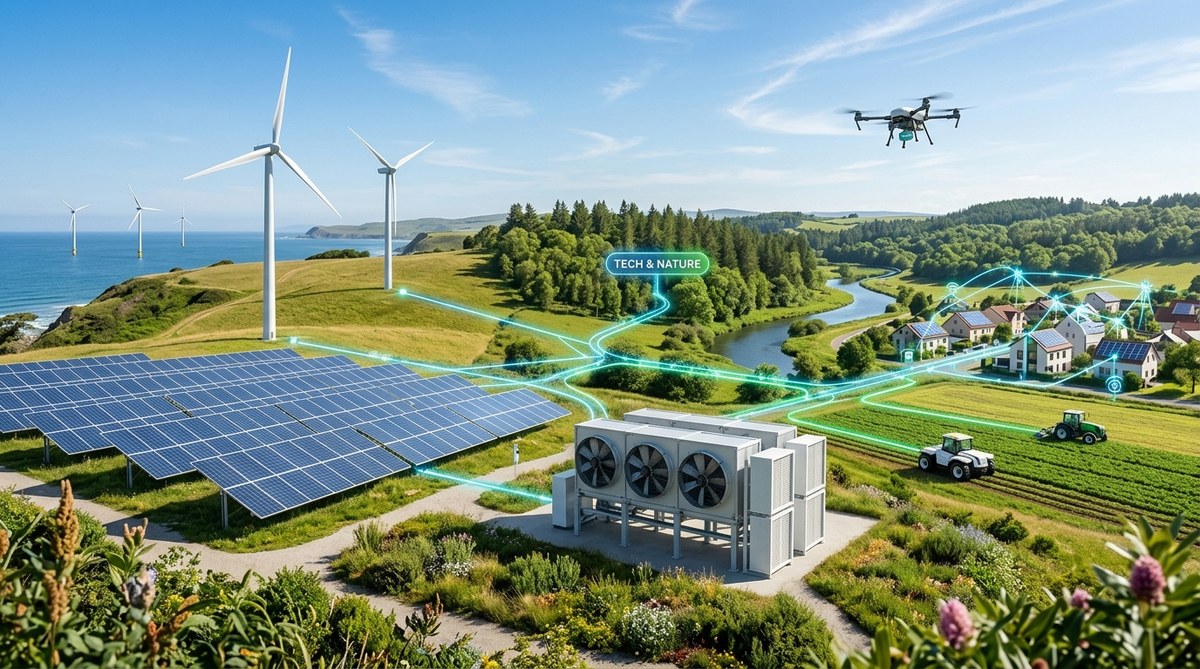
Climate change is no longer a distant concern; it is a pressing challenge demanding immediate action. Traditional methods alone cannot keep pace with the rapid environmental shifts we face. Fortunately, a wave of innovative technologies is emerging, offering fresh ways to reduce emissions, adapt to changes, and build resilient communities. These breakthroughs are not only helping to lower global carbon footprints but also inspiring new policies and behaviors. Understanding these advancements is key for researchers, policymakers, and advocates committed to making a difference.
Innovative technologies for climate change mitigation are rapidly transforming how societies address environmental challenges, offering practical solutions from clean energy to smart urban planning. Staying informed about these advancements enables impactful action and policy development for a sustainable future.
How innovations are reshaping climate action
The landscape of climate change mitigation is evolving thanks to technological progress. From renewable energy breakthroughs to advanced carbon capture methods, these innovations are creating new pathways to tackle environmental issues more effectively. The key lies in understanding the practical steps and emerging solutions that can be adopted now to make a tangible difference.
Practical approaches to harnessing innovative climate solutions
-
Invest in renewable energy technologies
Transitioning to sustainable power sources is fundamental. Innovations like high-efficiency solar panels, wind turbines, and offshore wind farms are reducing reliance on fossil fuels. Emerging solutions such as floating solar farms and advanced grid integration make renewable energy more accessible and reliable. -
Implement carbon capture and storage systems
These technologies trap carbon dioxide emissions from industrial processes or power plants before they reach the atmosphere. New methods involve direct air capture that actively removes CO2 from the air, which can then be stored underground or repurposed. -
Adopt smart urban and agricultural innovations
Cities and farms are integrating data-driven solutions. For example, smart irrigation systems save water and reduce energy use, while urban cooling technologies like reflective surfaces and green roofs lower city temperatures. These practical steps help communities adapt to climate stresses.
Innovations making a difference
- Renewable energy breakthroughs: Advances in photovoltaic materials, such as perovskite solar cells, boost efficiency while reducing costs. Wind turbine designs now harness more energy from lower wind speeds, broadening deployment possibilities.
- Carbon removal tech: Direct air capture plants are becoming more scalable, with some companies developing modular systems that can be deployed in various environments.
- Smart infrastructure: Sensor networks and AI optimize energy use, waste management, and transportation, leading to lower emissions and increased resilience.
- Geoengineering: Techniques like solar radiation management aim to reflect sunlight away from Earth temporarily. While controversial, they could serve as a last resort to slow climate change.
Common pitfalls in adopting new technologies
| Technique | Mistake | Explanation |
|---|---|---|
| Solar panels | Overestimating efficiency | Expecting solar PV to produce maximum output under all conditions can lead to underperformance. Proper site assessment is crucial. |
| Carbon capture | Ignoring energy costs | Some systems require significant energy, which can offset gains if not managed carefully. |
| Urban cooling | Relying solely on reflective surfaces | While effective, these should be part of a broader strategy including green infrastructure. |
“Integrating innovative technologies with community planning and policy is essential for effective climate mitigation,” emphasizes Dr. Laura Chen, a climate scientist working on sustainable urban development.
How policymakers can foster technological advancements
- Support research and development funding for promising innovations.
- Encourage public-private partnerships to accelerate deployment.
- Create policies that incentivize adoption, such as tax credits for clean energy projects.
- Promote knowledge sharing and international cooperation to spread successful solutions.
The role of communities and individuals
Everyone has a part to play in advancing these technologies. From choosing renewable energy options to supporting local green initiatives, individual actions can drive demand and innovation. Educating yourself on new solutions and advocating for their adoption amplifies impact.
Looking ahead: the future of climate mitigation tech
The pace of innovation continues to accelerate. Breakthroughs in areas like artificial intelligence, biodegradable materials, and energy storage promise to expand our toolkit. As these technologies mature, they will become more affordable and accessible, empowering societies worldwide to meet climate goals more effectively.
Moving forward with confidence
Embracing innovative technologies for climate change mitigation requires a collaborative effort. Researchers can push boundaries, policymakers can create enabling environments, and communities can adopt solutions tailored to their needs. Staying informed and proactive is the best way to ensure these advancements lead to meaningful change.
Staying at the forefront of climate solutions
Continuous learning and adaptation are vital. Follow the latest research, participate in policy discussions, and support initiatives that prioritize innovative tech. Your engagement helps accelerate the transition toward a resilient, sustainable future.
Final thoughts on technological progress and climate resilience
Innovative solutions are no longer just options; they are necessary tools in our fight against climate change. By understanding and adopting these technologies, individuals and organizations can contribute to a healthier planet. Every step forward counts, and your role in this collective effort can inspire broader change.
By staying informed and embracing new technologies, we can build a more sustainable world. The future depends on our willingness to innovate and act boldly. Let these advancements inspire you to support or develop solutions that make a real difference in climate mitigation efforts.