
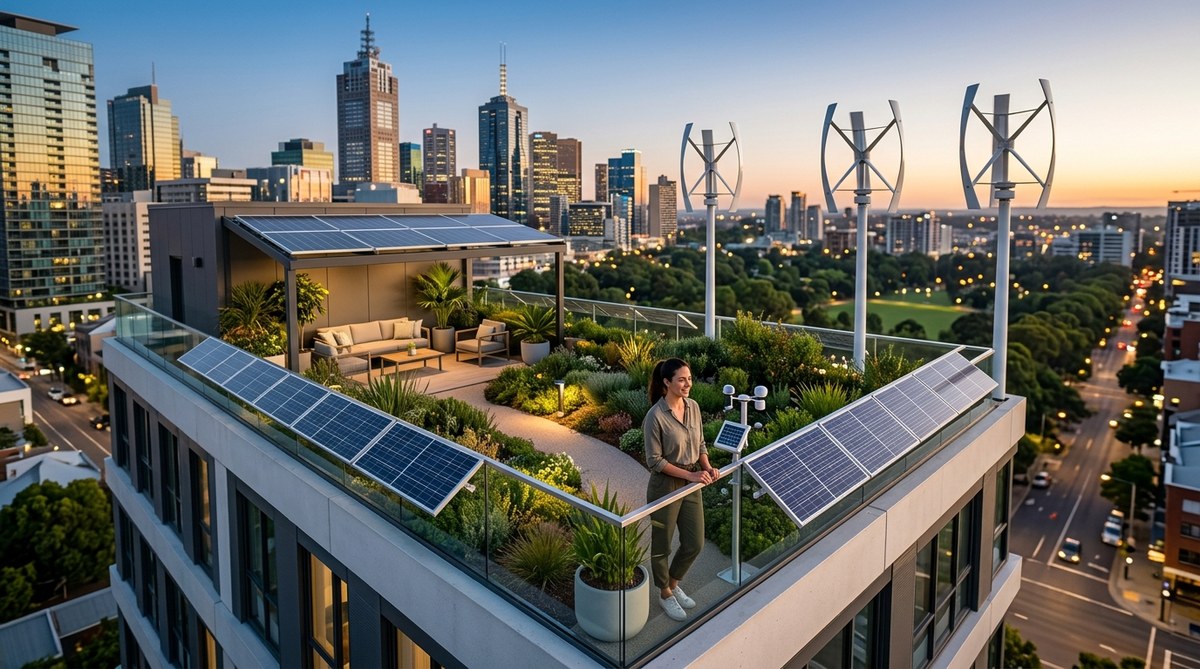
Urban areas are bursting with potential for small-scale renewable energy projects. As cities aim to reduce their carbon footprint and become more resilient, integrating local renewable energy sources becomes a smart move. From solar panels on rooftops to community wind turbines, small-scale renewable energy urban integration offers a way to generate clean power right where it’s needed most. This approach not only supports sustainability goals but also fosters community engagement and energy independence. Let’s look at how cities can harness these opportunities and turn urban spaces into hubs of renewable energy.
Small-scale renewable energy integration in cities involves deploying solar, wind, and other local sources to reduce reliance on grid power. Practical steps include assessing local resources, engaging communities, and designing tailored installations to maximize benefits and avoid common pitfalls.
How small-scale renewable energy can transform urban living
Cities have long been viewed as energy consumers. However, with smart planning and innovative technology, they can become generators too. Small-scale renewable energy urban integration emphasizes localized power solutions that fit seamlessly into cityscapes. These systems are scalable, adaptable, and often more affordable than large infrastructure projects.
Imagine a neighborhood where rooftops are covered with solar panels, or a community wind turbine provides power to local businesses. These efforts not only cut energy costs but also boost resilience against outages and reduce greenhouse gas emissions. Small-scale projects foster a sense of ownership among residents and encourage sustainable habits. They also pave the way for cities to meet ambitious climate targets while maintaining vibrant urban life.
Practical steps for urban renewable energy integration
Successfully integrating small-scale renewable energy into city environments involves careful planning and execution. Here are key steps to guide your efforts:
-
Assess local resources and needs
Begin with a thorough analysis of your city’s climate, sunlight exposure, wind patterns, and available land or rooftop space. Understanding these factors helps identify the most promising renewable options. For example, a sunny city might prioritize solar energy, while coastal areas could explore small wind turbines. -
Engage stakeholders and build community support
Involving residents, businesses, and local authorities creates a shared vision. Hosting informational sessions, workshops, or pilot programs can generate enthusiasm and gather valuable feedback. Community buy-in is essential for project success and long-term sustainability. -
Design and implement tailored solutions
Choose appropriate technologies based on your assessment. For example, installing building-integrated photovoltaics (BIPV) on commercial roofs or setting up micro wind turbines in open spaces. Focus on maximizing efficiency, ease of maintenance, and aesthetic integration to ensure acceptance. -
Navigate policies, incentives, and funding opportunities
Research local regulations and available grants or tax incentives. Many cities offer programs to support renewable energy projects. Working within regulatory frameworks and securing funding can accelerate deployment. -
Monitor, maintain, and optimize systems
Regularly track performance to ensure energy production meets expectations. Maintenance is crucial for longevity. As technology advances, consider upgrading systems to improve efficiency.
Techniques and common mistakes
To illustrate the methods and pitfalls, here is a simple table:
| Techniques | Mistakes to Avoid |
|---|---|
| Conduct detailed resource assessments | Overlooking shading or obstructions |
| Engage community early | Ignoring local regulations or permitting issues |
| Use modular and scalable systems | Installing systems that are too large or complex for the space |
| Incorporate energy storage solutions | Neglecting to plan for storage or backup power |
| Prioritize aesthetic integration | Installing equipment that disrupts urban aesthetics |
Innovative approaches to small-scale urban renewable energy
- Building-integrated photovoltaics (BIPV): Solar panels embedded into building facades and windows that blend seamlessly with architecture.
- Community microgrids: Localized energy networks that enable neighborhoods to generate, store, and share power independently.
- Street furniture with solar features: Benches, bus shelters, or lamp posts equipped with solar panels to power lighting and sensors.
- Rooftop gardens with solar canopies: Combining urban agriculture with renewable energy generation enhances green space and energy efficiency.
“The key to successful urban renewable projects is integrating technology thoughtfully into the city fabric, making energy generation a natural part of daily life,” advises renewable energy consultant Sarah Martinez.
Overcoming challenges in urban renewable integration
While promising, small-scale renewable energy projects face hurdles such as space constraints, regulatory barriers, and initial costs. The following techniques can help address these issues:
| Technique | Common Mistakes |
|---|---|
| Optimize existing structures | Underestimating structural load capacity |
| Focus on policy advocacy | Overlooking permit requirements or zoning laws |
| Leverage financial incentives | Missing application deadlines or eligibility criteria |
| Incorporate community ownership models | Lack of clarity on maintenance responsibilities |
By understanding these obstacles and applying innovative solutions, cities can unlock the full potential of local renewable energy.
Why local action matters in urban sustainability
Implementing small-scale renewable energy systems in cities is more than a trend. It’s a practical step toward resilient, livable urban environments. These projects foster local jobs, reduce energy costs, and promote environmental stewardship. Plus, they serve as visible symbols of a community’s commitment to sustainability.
Small-scale renewable energy urban integration is accessible and adaptable. Whether a small business owner installing solar panels or a city planning department designing a green infrastructure initiative, everyone can contribute to a cleaner future.
A practical way forward for cities and residents
Start with small, manageable projects that fit your unique context. Conduct resource assessments, engage your community, and explore funding opportunities. Keep systems simple and scalable, and always monitor performance. Over time, these efforts will add up to a significant impact.
Remember, integrating renewable energy into urban spaces is not just about technology. It’s about fostering a culture of sustainability and resilience. By taking thoughtful action today, cities can become leaders in the green revolution while creating healthier, more vibrant communities.
Harnessing Urban Spaces for a Brighter Future
Small-scale renewable energy urban integration offers a practical path to sustainability. It provides opportunities for innovation, community involvement, and resilience. Each project, big or small, contributes to a greener city and a healthier planet. By embracing these solutions, urban dwellers and planners alike can shape a sustainable future that benefits everyone. Start exploring these options in your city and see how small changes can make a big difference.