
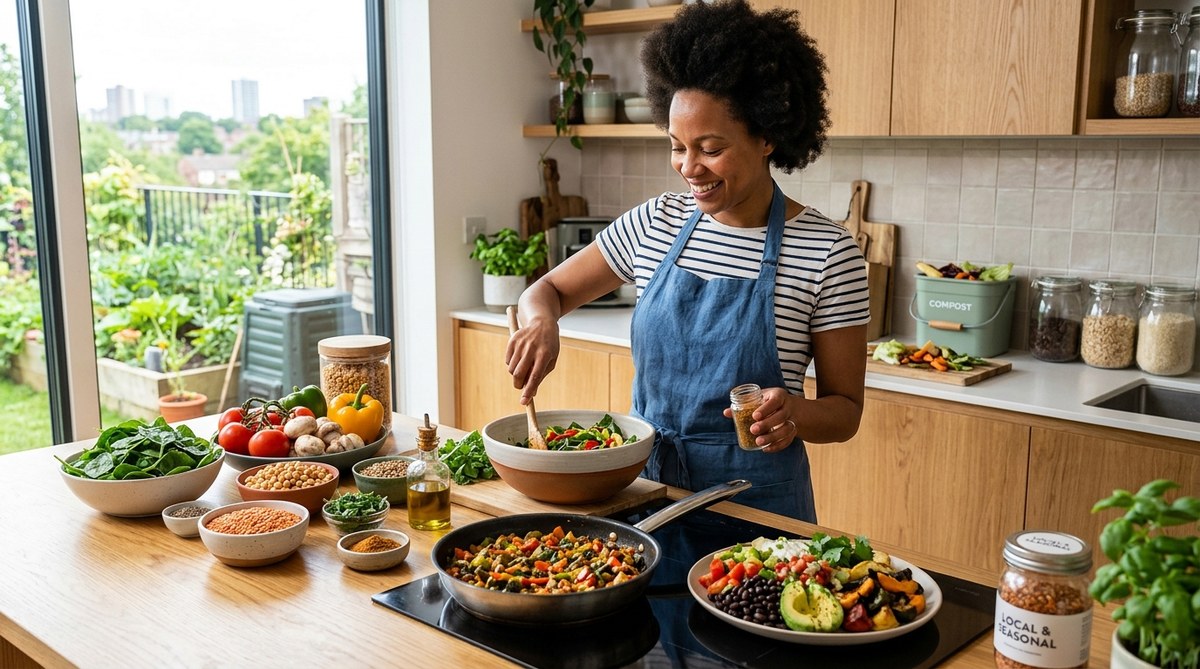
You don’t have to choose between a warm, cheesy slice of pizza and a healthier planet. For a long time, the loudest voices in sustainability told us to cut out entire food groups, to swear off burgers, and to treat cheese like a guilty secret. But that message missed the point. A decarbonize diet isn’t about perfection or deprivation. It’s about making smarter choices that add up over time, without turning every meal into a math problem.
The average American diet produces around 8.1 kilograms of carbon dioxide equivalent per day. That number comes from everything: how food is grown, how it’s transported, and how much energy goes into processing and cooking. The good news is that you don’t need to become a vegan or a raw-food purist to make a real dent. You just need a few practical strategies, a little flexibility, and a willingness to cook with intention.
You can cut your food carbon footprint by up to 50 percent by swapping high-impact ingredients, reducing waste, and choosing better proteins. This guide shows you how to decarbonize your diet with realistic swaps, smarter cooking habits, and flexible meal planning. No extreme restrictions, no guilt trips, just practical steps that fit your life and your taste buds.
Why Your Plate Matters More Than You Think
Food systems are responsible for roughly one-third of global greenhouse gas emissions. That’s a huge slice of the pie, and it means your grocery cart is one of the most powerful tools you have for climate action. But here’s the thing: not all foods are created equal. A single pound of beef can generate more emissions than a pound of chicken, pork, or tofu combined. It’s not about going hungry or eating bland salads. It’s about understanding which ingredients carry the heaviest environmental load and finding easy ways to lighten that load.
Think of it like budgeting. You don’t have to stop spending money entirely; you just need to cut back on the big-ticket items and be smarter about where the rest goes. The same logic applies to your diet. By making a few targeted swaps, you can enjoy your favorite meals while shrinking your carbon footprint.
The 80/20 Rule for a Decarbonize Diet
Here’s a simple mental model: aim for 80 percent of your food choices to be climate-friendly, and let the other 20 percent be whatever you love. This isn’t about being perfect. It’s about building a sustainable habit that you can actually stick with. If you crave a steak once a week, have it. Just balance it out with plant-based meals for the rest of the week.
This approach is backed by research. A 2023 study from Stanford University found that even small shifts toward plant-based eating could reduce food-related emissions by up to 25 percent. And you don’t need to overhaul your entire diet overnight. Start with Meatless Mondays. Swap out cow’s milk for oat or almond milk a few days a week. Choose chicken over beef when you do eat meat. These small changes add up faster than you might think.
5 Practical Steps to Start Today
Ready to get started? Here’s a numbered list of actionable steps you can take right now to begin your decarbonize diet journey:
- Audit your protein choices. Look at your weekly meals and identify the highest-carbon items, usually beef and lamb. Replace one or two of those meals with plant-based proteins like beans, lentils, or tofu. Even swapping ground beef for ground turkey cuts emissions by nearly half.
- Embrace the freezer. Frozen fruits and vegetables are just as nutritious as fresh ones, and they reduce food waste. You can buy in bulk, store what you need, and avoid the guilt of watching fresh produce go bad in the fridge.
- Cook in batches. Preparing meals ahead of time saves energy and money. When you cook once and eat twice, you use less electricity or gas per serving. It’s a win for your wallet and the planet.
- Buy local and seasonal. Foods that travel shorter distances generally have a lower carbon footprint. Visit your local farmers market and see what’s in season. You might discover new favorites while supporting regional farmers.
- Reduce food waste. Roughly one-third of all food produced globally is wasted. That’s a massive waste of the energy, water, and land that went into growing it. Plan your meals, use your leftovers creatively, and compost what you can’t eat.
What to Eat More of (and What to Ease Up On)
Not all foods are equal in the carbon game. Some ingredients are heavy hitters, while others are surprisingly light. Here’s a breakdown of what to prioritize and what to limit.
| Food Category | Carbon Footprint | Better Alternatives |
|---|---|---|
| Beef and Lamb | Very High | Chicken, turkey, or plant-based crumbles |
| Cheese and Dairy | High | Oat milk, cashew cheese, nutritional yeast |
| Farmed Fish | Moderate | Sardines, mackerel, or sustainably sourced salmon |
| Rice | Moderate | Quinoa, barley, or cauliflower rice |
| Seasonal Produce | Low | Frozen vegetables, root vegetables, leafy greens |
The table above isn’t meant to be a guilt trip. It’s a roadmap. You can still enjoy a grilled cheese sandwich, but maybe try a plant-based cheese alternative once in a while. You can still have a burger, but consider a blend of beef and mushrooms to stretch the meat further. These small tweaks don’t sacrifice flavor, they just add variety.
How to Talk to Your Family About Eating Differently
Change is hard, especially when you’re feeding a family with different tastes and preferences. The key is to frame it as an adventure, not a punishment. Get everyone involved in meal planning. Let the kids pick a new vegetable to try each week. Have a taco night with both meat and plant-based options. When people feel included, they’re more likely to embrace the change.
If you’re cooking for a picky eater, start with familiar dishes that happen to be lower-carbon. Spaghetti with lentil bolognese, for example, looks and tastes like the classic version but packs a fraction of the environmental punch. You can also blend mushrooms or cauliflower into sauces and casseroles without anyone noticing. It’s a clever way to boost nutrition and cut emissions at the same time.
The Role of Technology in Your Food Journey
Your food choices don’t exist in a vacuum. They’re connected to broader systems like energy, transportation, and agriculture. That’s why understanding the bigger picture can help you make better decisions. For example, the rise of innovative green technologies transforming urban sustainability is making it easier for cities to support local food production. Rooftop gardens, vertical farms, and community-supported agriculture (CSA) programs are popping up across the United States, giving you more options to eat fresh and local.
Similarly, how climate change is driving up your grocery bill and what you can do about it is a real concern in 2026. Extreme weather events are disrupting supply chains and raising prices. By reducing your reliance on highly processed foods and cooking more from scratch, you can protect your budget while also lowering your carbon footprint.
Common Mistakes to Avoid When Decarbonizing Your Diet
Even with the best intentions, it’s easy to fall into traps that undermine your efforts. Here are some common pitfalls and how to sidestep them:
- Swapping beef for cheese. Replacing a burger with a cheese pizza might feel like a win, but dairy has a surprisingly high carbon footprint. Opt for plant-based cheese or use less cheese overall.
- Forgetting about condiments. Sauces, dressings, and spreads often contain palm oil or dairy, which are carbon-heavy. Make your own vinaigrettes at home with olive oil, vinegar, and herbs.
- Ignoring portion sizes. Eating too much of a good thing still has an impact. A palm-sized portion of protein and half a plate of vegetables is a solid guideline.
- Going all-in overnight. Drastic changes rarely stick. You’ll be more successful if you make gradual adjustments over several weeks.
Expert advice: “The best decarbonize diet is the one you can sustain. Focus on progress, not perfection. Every plant-based meal is a step in the right direction, even if you still enjoy meat on occasion.” — Dr. Sarah Mitchell, Environmental Nutritionist
How to Handle Eating Out and Social Gatherings
Let’s be real: you’re going to eat out sometimes. You’re going to attend cookouts and birthday parties. That’s okay. The goal isn’t to be a hermit or a food snob. It’s to make better choices when you can.
When you’re at a restaurant, look for dishes that feature vegetables, legumes, or sustainably sourced seafood. Don’t be afraid to ask for dressings on the side or to swap a side of fries for a salad. At a barbecue, bring a plant-based dish that you know everyone will enjoy, like grilled portobello mushrooms or a hearty bean salad. This way, you’re not showing up empty-handed, and you’re also ensuring there’s something you can eat.
Building a Meal Plan That Works for You
Meal planning is one of the most effective ways to stay on track. Here’s a simple framework to get you started:
- Pick a theme for each night. For example, Meatless Monday, Taco Tuesday, Stir-Fry Wednesday, and so on. This adds variety and makes grocery shopping easier.
- Shop the perimeter of the store. That’s where you’ll find fresh produce, whole grains, and lean proteins. The middle aisles are where processed foods live.
- Prep your snacks. Cut up veggies, portion out hummus, and boil eggs at the start of the week. When healthy snacks are ready to grab, you’re less likely to reach for chips.
If you’re short on time, consider using a slow cooker or an Instant Pot. These appliances use less energy than a traditional oven and can turn cheap cuts of meat into tender, flavorful meals. They’re also perfect for batch cooking on weekends.
The Connection Between Diet and Climate Policy
Your individual choices matter, but they’re even more powerful when combined with systemic change. That’s why it’s important to support policies and businesses that make sustainable eating easier. In 2026, we’re seeing exciting developments in how climate change is driving innovation in agriculture. From regenerative farming practices to lab-grown meats, the future of food is looking greener.
You can also vote with your wallet. Choose brands that are transparent about their sourcing and sustainability practices. Support local farmers who use regenerative methods. And don’t forget to advocate for change in your own community, whether that’s pushing for more community gardens or supporting school lunch programs that serve healthy, plant-based meals.
Your 2026 Action Plan
Ready to put this into practice? Here’s a simple checklist to keep you on track:
- [ ] Start with one meatless day per week
- [ ] Swap one dairy product for a plant-based alternative
- [ ] Plan your meals for the week ahead
- [ ] Buy frozen produce to reduce waste
- [ ] Cook in batches and freeze leftovers
- [ ] Try one new plant-based recipe each week
Remember, this isn’t an all-or-nothing deal. You’re building habits that will serve you and the planet for years to come. And if you slip up, that’s fine. Just get back on track at your next meal.
A Final Word on Your Food Journey
Decarbonizing your diet is one of the most empowering things you can do in 2026. It puts the power back in your hands, allowing you to make a tangible difference with every single meal. You don’t need a complete lifestyle overhaul or a degree in environmental science. You just need a little knowledge, a dash of creativity, and a willingness to try something new.
So, start small. Pick one or two changes from this list and commit to them for the next few weeks. Notice how you feel, both physically and mentally. You might be surprised by how good it feels to eat in alignment with your values. And when you’re ready for more, you can always explore how to talk to climate skeptics without losing your cool or dive into other climate topics that inspire you.
Your plate is a powerful place to start. Make it count.