
Most people don’t think about what happens after they flush. The city’s sewage system operates quietly underground, out of sight and out of mind. But here is the truth: your city’s wastewater infrastructure is one of the most underrated tools we have for fighting climate change. While we argue about solar panels and electric vehicles, a massive opportunity is literally flowing beneath our feet. In 2026, as cities face mounting pressure to cut emissions, the sewage system climate change connection is finally getting the attention it deserves.
Sewage systems are not just waste disposal networks. They are energy producers, methane capturers, and nutrient recyclers. By upgrading treatment plants to capture biogas, reduce energy use, and recover resources, cities can slash greenhouse gas emissions. This guide explains how sewage infrastructure works as a climate solution and what you can do to support it.
Why your sewage system matters for the climate
When organic waste breaks down in pipes and treatment plants, it releases methane. Methane is a greenhouse gas about 80 times more potent than carbon dioxide over a 20 year period. Many older sewage systems vent this gas directly into the atmosphere. That is a huge problem. But it is also a huge opportunity.
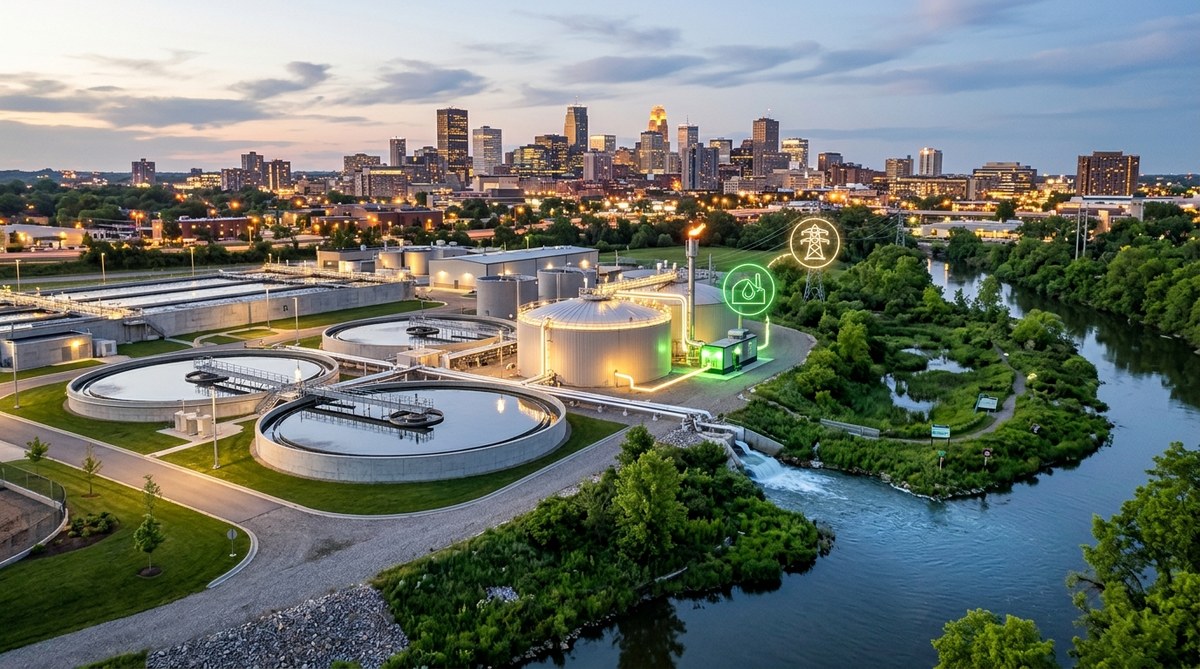
Modern sewage treatment plants can capture that methane and turn it into renewable energy. This process is called biogas recovery. Instead of leaking into the air, the gas is burned to generate electricity or heat. Some plants produce enough energy to power themselves and even send surplus back to the grid. That is a direct reduction in fossil fuel use.
The link between sewage system climate change impacts is not just about methane. Treatment plants are often among the largest energy consumers in a city. By improving efficiency and recovering energy from waste, cities can lower their overall carbon footprint.
How sewage treatment plants become climate allies
Let’s look at the practical steps. Here is how a modern facility turns a climate liability into an asset:
- Capture biogas from digesters. Large tanks called anaerobic digesters break down sludge without oxygen. Microorganisms produce methane rich gas. This gas is collected instead of vented.
- Convert biogas to energy. The captured gas fuels engines or turbines. This electricity runs the plant. Excess power can be sold to the local utility.
- Upgrade biogas to renewable natural gas. With additional processing, biogas becomes pipeline quality gas. It can replace fossil natural gas for heating or transportation.
- Recover nutrients. Phosphorus and nitrogen from wastewater can be turned into fertilizer. This reduces the need for energy intensive synthetic fertilizers.
- Reduce water heating demand. Heat exchangers capture warmth from treated water. This preheats incoming wastewater, cutting energy use.
Each step reduces emissions. Each step saves money. And each step makes the city more resilient.
Common mistakes cities make with sewage infrastructure
Not every city is doing this well. Some common errors actually make the sewage system climate change problem worse. Here is a table that compares the wrong approach with the right one:
| Mistake | Why it hurts the climate | Better approach |
|---|---|---|
| Venting biogas to atmosphere | Releases potent methane directly | Capture and burn or upgrade the biogas |
| Using old, energy hungry pumps | Wastes electricity from fossil fuels | Install high efficiency pumps and variable speed drives |
| Ignoring leaks in collection pipes | Methane escapes from broken seals | Regular inspection and pipe lining repairs |
| Treating all waste the same way | Misses opportunities for resource recovery | Separate high strength waste for dedicated digestion |
| Overlooking heat recovery | Wastes thermal energy that could preheat influent | Install heat exchangers on effluent lines |
These fixes are not science fiction. They are proven technologies already deployed in leading cities like San Francisco, Copenhagen, and Vancouver.
The hidden value in your city’s pipes
Beyond energy, sewage systems offer something even more valuable for climate adaptation: water resilience. As droughts become more common across the United States, treated wastewater can be reused for irrigation, industrial processes, or even drinking water after advanced treatment. This reduces pressure on freshwater sources.
Consider this. A typical sewage treatment plant processes millions of gallons of water every day. If that water is cleaned and reused locally, the city does not need to pump as much water from distant reservoirs. Pumping water takes enormous amounts of energy. So water reuse cuts both water and energy waste.
The sewage system climate change connection is really a story of circular thinking. Waste is not waste. It is a resource in the wrong place.
What you can do as a resident or advocate
You do not need to be a civil engineer to make a difference. Here are actions you can take in your own community:
- Ask your city council or local utility about biogas capture. Many cities have not upgraded their plants because they do not know the benefits.
- Support bond measures or rate increases that fund infrastructure upgrades. Old plants need investment to become climate assets.
- Educate your neighbors. Most people have no idea that their sewage system is a major source of methane.
- Reduce what you send down the drain. Less food waste and fewer harsh chemicals make it easier for treatment plants to operate efficiently.
- Look into local programs that turn biosolids into compost. Some cities offer free compost made from treated sewage.
“The single most underinvested climate solution in American cities is wastewater infrastructure. We have the technology. We just need the political will to fund it.” — Dr. Elena Torres, urban infrastructure researcher at the University of California
If you want to see what other hidden climate solutions are gaining traction, check out our guide on innovative strategies to reduce carbon footprints in urban areas. It covers similar infrastructure opportunities that are often overlooked.
A closer look at biogas capture and use
Biogas capture is the most direct way sewage system climate change impacts become positive. Let’s break down how it works in plain language.
Wastewater contains organic matter from human waste, food scraps, and other materials. When this organic matter sits in a tank without oxygen, bacteria break it down and release biogas. Biogas is roughly 60 percent methane and 40 percent carbon dioxide, with trace amounts of other gases.
In a conventional plant, that biogas rises to the surface and is simply vented. In a modern plant, the digester is sealed. The gas is piped to a storage tank or directly to a generator. The generator burns the gas to spin a turbine. That turbine produces electricity.
Some plants go further. They clean the biogas by removing carbon dioxide and impurities. The result is renewable natural gas that can be injected into the natural gas pipeline system. This gas can heat homes or fuel garbage trucks.
The benefits are real. The city of Los Angeles captures enough biogas from its Hyperion plant to power thousands of homes each year. That is energy that would otherwise come from fossil fuels.
Why 2026 is a turning point
Right now, federal and state funding for water infrastructure is higher than it has been in decades. The Bipartisan Infrastructure Law allocated billions for wastewater upgrades. Many cities are using this money to modernize plants and add energy recovery systems.
If your city has not applied for these funds yet, now is the time to push for it. This is a once in a generation opportunity to transform sewage system climate change impacts. The money is available. The technology is proven. All that is missing is public demand.
You can also read about how communities can lead the way in climate change adaptation by 2026 for more ideas on local action.
The future of sewage and climate resilience
Imagine a city where every drop of wastewater is treated, recycled, and turned into energy. Where sewage pipes no longer leak methane. Where treatment plants are net zero or even net positive energy sources.
That future is possible. Some cities are already there. The rest are falling behind simply because people do not know what is possible.
The sewage system climate change story is not glamorous. But it is powerful. It is also something every single urban resident is connected to. Your toilet is not just a waste disposal device. It is a connection to one of the most promising climate solutions we have.
How to turn awareness into action
Let’s make this concrete. Here is a list of steps you can take starting this week:
- Look up your local wastewater utility online. Most have annual reports that mention energy use and emissions.
- Attend a city council meeting or public hearing on water rates. Ask about biogas capture plans.
- Share this article with your neighborhood group or local sustainability club.
- Support local policies that require new developments to connect to sewer systems with energy recovery.
- Reduce food waste in your home. Less food waste in the sewer means less methane potential, but also less load on the treatment plant.
The more people understand the sewage system climate change connection, the harder it becomes for city leaders to ignore it.
Infrastructure that works for everyone
Upgrading sewage systems is not just an environmental issue. It is an equity issue. Older plants are often located in lower income neighborhoods. Those communities bear the brunt of odors, truck traffic, and underinvestment. When cities modernize their sewage infrastructure, they can also improve quality of life for the people who live nearby.
Modern plants with enclosed digesters and odor control systems are much better neighbors. They create local jobs. They can even produce revenue from energy sales. That revenue can help keep water rates affordable for everyone.
For more on how technology is reshaping urban sustainability, take a look at innovative green technologies transforming urban sustainability.
Your city’s sewage system is a climate hero in waiting
It is easy to focus on flashy climate solutions like electric cars or solar farms. But the most impactful changes often happen where we least expect them. Your city’s sewage system is one of those places.
The pipes beneath your street already do essential work. With the right upgrades, they can do even more. They can generate clean energy. They can recycle water. They can capture methane that would otherwise warm the planet. They can save money and create jobs.
The next time you flush, think about the potential. Then think about what you can do to help your city realize it. Talk to your neighbors. Talk to your city council. Ask the simple question: what is our sewage plant doing with its biogas?
If the answer is “nothing,” then you have found your cause.
Supporting better infrastructure is one of the most effective climate actions you can take. It is not as visible as planting a tree or installing solar panels. But it works at a scale that matters. And it works every single day, for every single resident.
So go ahead. Ask the question. Push for the upgrade. Your city’s sewage system climate change impact can go from negative to positive. All it takes is awareness and action.