
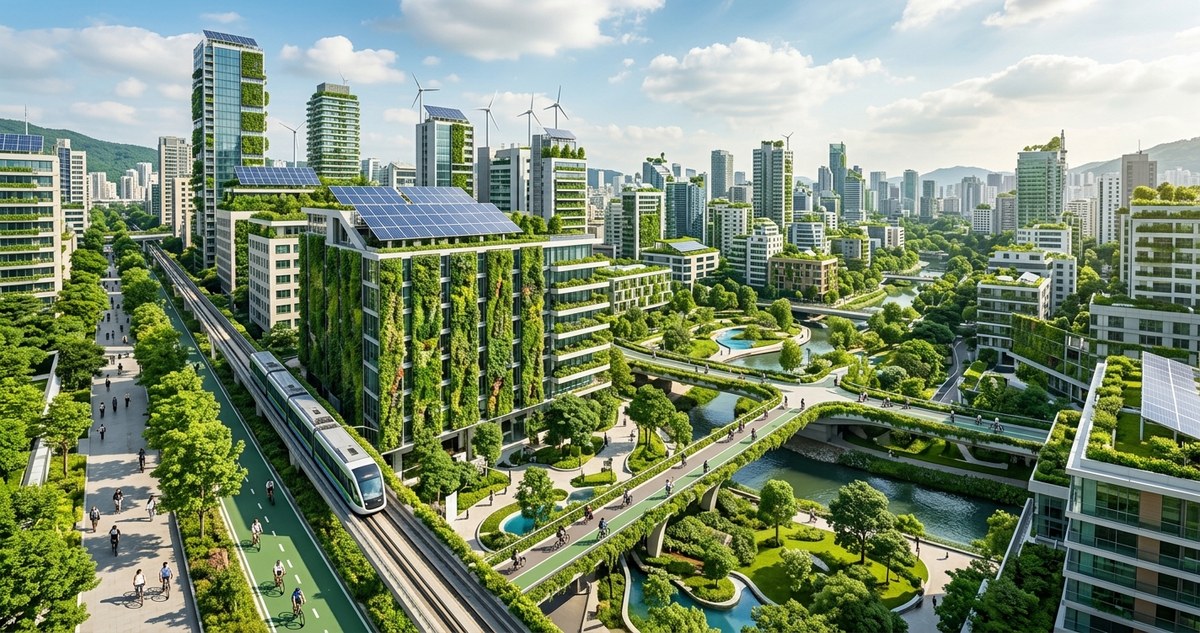
Cities are the heartbeat of modern life. They are hubs of innovation, culture, and economic growth. But they also face serious environmental challenges. Climate change, pollution, and resource depletion threaten urban areas worldwide. To meet these challenges head-on, city leaders and planners must adopt innovative approaches. The key lies in urban sustainability strategies designed specifically for the 21st century. This guide explores practical methods that can transform cities into greener, smarter, and more resilient communities.
Urban sustainability in the 21st century demands innovative strategies that blend technology, community engagement, and eco-friendly design. Implementing these approaches can help cities reduce environmental impact, improve quality of life, and adapt to changing climates effectively.
Embracing Smart and Green Infrastructure
One of the most effective ways to achieve urban sustainability involves integrating smart and green infrastructure. This means designing city landscapes that work symbiotically with nature while leveraging technology for efficiency.
Green Building Practices
Green buildings are designed to minimize energy use and reduce environmental impact. This includes using sustainable materials, installing energy-efficient systems, and optimizing natural light and ventilation. For instance, many cities are adopting green roofs and walls that insulate buildings and promote biodiversity.
Smart Water Management
Water scarcity and flooding are pressing concerns. Cities are now deploying sensor-based systems to monitor water usage and prevent waste. Innovative stormwater management techniques like permeable pavements and rain gardens help absorb excess water, reducing flood risks and recharging groundwater.
Renewable Energy Integration
Transitioning to renewable energy sources such as solar and wind power is crucial. Urban areas can install solar panels on rooftops or develop community-scale renewable projects. These initiatives decrease reliance on fossil fuels and cut greenhouse gas emissions.
Practical steps to implement urban sustainability strategies 21st century
- Identify local environmental challenges and opportunities.
- Engage community stakeholders to gather input and foster support.
- Invest in green infrastructure and smart technology solutions.
- Develop policies that encourage sustainable practices like green building codes.
- Monitor progress regularly and adjust strategies based on data.
Innovative techniques shaping the future of cities
- Urban agriculture: Growing food within city limits reduces transportation emissions and increases local food security.
- Mobility as a service: Promoting shared, electric transportation options decreases traffic congestion and pollution.
- Waste-to-energy systems: Converting waste into energy reduces landfill use and produces clean power.
Techniques and mistakes to avoid
| Technique | Common Mistake |
|---|---|
| Green roofs | Overloading structures without proper support |
| Smart water sensors | Ignoring maintenance and calibration |
| Renewable energy projects | Lack of community involvement |
Expert advice
“Integrating nature-based solutions with digital technologies creates resilient urban environments. Cities that prioritize this synergy will be better equipped to face future challenges,” advises Dr. Laura Green, an environmental urbanist.
Community-Centered Approaches for Lasting Impact
Engaging local residents and stakeholders fosters a sense of ownership and ensures sustainability initiatives meet actual needs. Education campaigns, participatory planning, and inclusive policies create a strong foundation for lasting change.
Promoting Sustainable Behaviors
Cities can incentivize eco-friendly practices through rebates for solar installations, bike-sharing programs, and waste reduction initiatives. Community events and workshops raise awareness and encourage participation.
Policy and Governance
Effective governance involves setting clear sustainability targets, transparent decision-making, and collaborating across sectors. Cities that develop comprehensive sustainability plans are more likely to succeed.
Addressing Challenges with Innovative Solutions
Implementing urban sustainability strategies faces hurdles such as funding, political will, and technical capacity. Overcoming these requires creative solutions like public-private partnerships, grants, and pilot programs.
Common pitfalls include:
- Failing to involve community members in planning
- Underestimating maintenance costs of green infrastructure
- Relying solely on technological fixes without behavioral change
Techniques and mistakes table
| Technique | Common Mistake |
|---|---|
| Community engagement | Tokenism or superficial involvement |
| Green infrastructure | Ignoring long-term maintenance needs |
| Data-driven decision making | Data overload without actionable insights |
Building Resilience for the Future
Urban areas must become adaptable to climate change impacts. Strategies such as creating green corridors, elevating vulnerable zones, and diversifying energy sources enhance resilience.
Actions to foster resilience include:
- Developing climate adaptation plans
- Investing in decentralized energy systems
- Creating urban green spaces as buffers against heat and floods
Envisioning Sustainable Cities of Tomorrow
The path to sustainable urban areas in the 21st century involves blending innovative technology, community participation, and eco-friendly design. Cities that adopt these strategies will be more livable, equitable, and resilient.
By focusing on practical implementation, embracing new techniques, and avoiding common pitfalls, urban areas can transform into models of sustainability. The effort requires collaboration among policymakers, residents, and businesses. The rewards include cleaner air, efficient resource use, and a healthier environment for generations to come.
Remember, every city has unique challenges and opportunities. Start small, learn continuously, and keep the community involved. Together, urban sustainability strategies can reshape the future of our cities.
Making Sustainability a Citywide Priority
By prioritizing these strategies, city leaders and residents can work together to create environments where people thrive and nature flourishes. Take actionable steps today, and contribute to a sustainable, vibrant future for your community.