
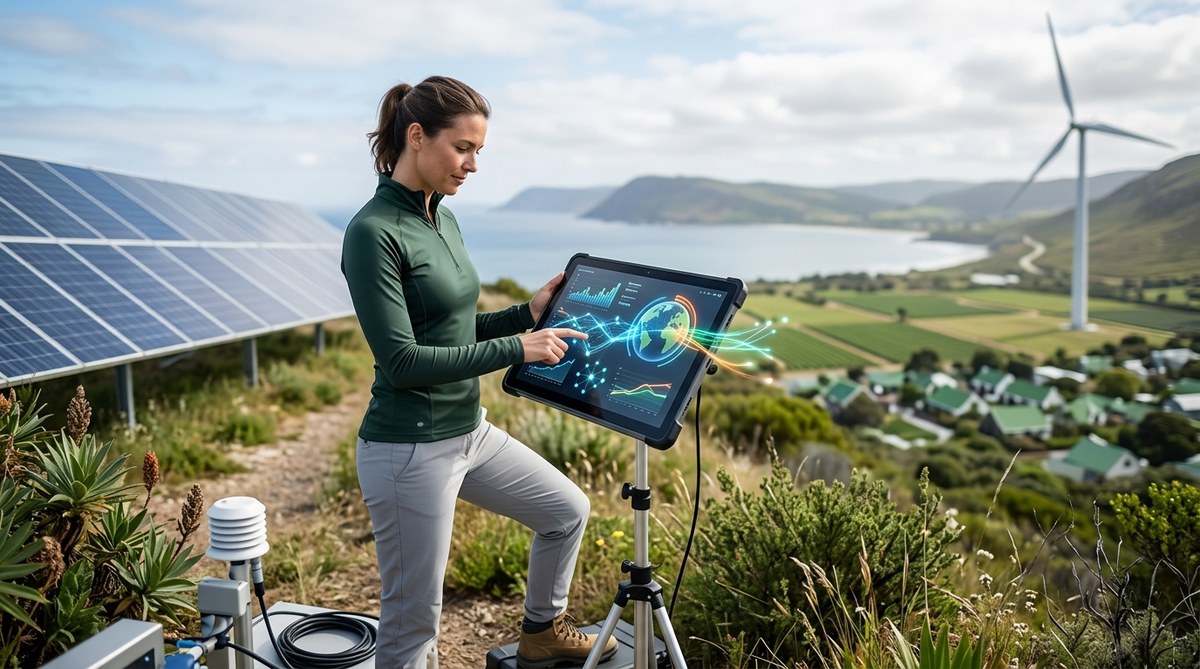
Climate change remains one of the most urgent challenges of our time. Tackling its complex impacts requires innovative strategies and cutting-edge technologies. By harnessing technology for climate change solutions, we can unlock new ways to reduce emissions, adapt to changing environments, and foster a sustainable future. This approach empowers researchers, policymakers, and environmental advocates to work smarter and faster. It’s about turning ideas into action and leveraging digital tools, data, and innovation to create meaningful change.
Harnessing technology for climate change solutions involves innovative tools and strategies that enable faster, smarter responses. From digital monitoring to AI-driven models, technology helps us reduce emissions, improve resilience, and accelerate global climate action efforts effectively.
How technology is transforming climate action
Harnessing technological advancements has revolutionized the way we address environmental challenges. Digital innovations are not just supplementary; they are central to modern climate strategies. Technologies like artificial intelligence, remote sensing, data analytics, and renewable energy systems provide new insights and efficiencies. These tools allow us to understand climate patterns better, predict future risks, and implement targeted solutions. For example, satellite imagery can track deforestation in real time, guiding policy actions more effectively.
Practical steps for leveraging technology in climate solutions
Implementing technology-driven climate strategies involves several key processes. Here are practical steps to harness innovation for impactful change:
-
Identify the specific challenge or goal
Define what aspect of climate change you want to address. Whether it is reducing urban emissions, conserving biodiversity, or improving climate resilience, clarity helps in selecting suitable technologies. -
Research available technological tools
Stay updated on emerging solutions like AI models for climate prediction, blockchain for transparent carbon trading, or drone technology for environmental monitoring. Resources such as https://localcooling.com/innovative-strategies-to-reduce-carbon-footprints-in-urban-areas/ can provide valuable insights. -
Collaborate with experts and stakeholders
Engage researchers, technologists, and community leaders. Partnerships foster innovation and ensure solutions are practical and equitable. -
Pilot and refine solutions
Start small with pilot projects. Use data to evaluate effectiveness, then scale successful strategies. For instance, deploying smart sensors in urban areas can help optimize energy use and reduce emissions. -
Implement policies and advocate for adoption
Support policies that encourage technological adoption and innovation. Share success stories and lessons learned to inspire wider change.
Key technologies driving climate solutions
Several innovations stand out for their potential to accelerate climate action:
-
Artificial Intelligence (AI)
AI helps predict climate patterns, optimize renewable energy systems, and improve climate modeling accuracy. For example, machine learning algorithms analyze satellite data to detect deforestation or track carbon emissions. -
Remote sensing and satellite technology
These tools provide comprehensive environmental data, enabling real-time monitoring of ecosystems, urban heat islands, and greenhouse gas emissions. -
Blockchain
Blockchain technology offers transparency in carbon trading markets, ensuring accountability and facilitating investments in sustainable projects. -
Renewable energy innovations
Advances in solar, wind, and battery storage technology increase the efficiency and affordability of clean energy sources. -
Digital twin technology
Creating digital replicas of cities or ecosystems allows planners to simulate impacts of different interventions before implementation.
“Harnessing digital tools transforms our ability to respond swiftly and effectively to climate challenges. The integration of AI, remote sensing, and blockchain provides a robust framework for transparent, data-driven decision making,” notes climate tech expert Dr. Lisa Chen.
Common pitfalls and how to avoid them
As promising as these technologies are, there are pitfalls to watch out for. Here is a quick comparison table to clarify common techniques and their possible mistakes:
| Technique | Common Mistake |
|---|---|
| AI for climate modeling | Overreliance on imperfect data |
| Remote sensing | Insufficient ground truth validation |
| Blockchain for carbon markets | Lack of regulation and oversight |
| Renewable energy tech | Underestimating storage needs |
| Digital twins | High development costs |
Being aware of these pitfalls allows teams to design more resilient and effective solutions.
How to foster innovation and scale impact
Scaling technological solutions requires a strategic approach:
-
Invest in research and development
Funding innovative projects accelerates breakthroughs. -
Create supportive policies
Governments and institutions can incentivize clean tech adoption. -
Build capacity and skills
Training programs prepare communities and professionals to implement new tools. -
Promote open data and sharing
Transparency and collaboration enable rapid dissemination of successful practices.
The role of policy and community engagement
Technology alone cannot solve climate change. Engaging communities and shaping policies are crucial. Policymakers can facilitate innovation by providing grants, establishing standards, and integrating technology into climate action plans. Meanwhile, public awareness drives acceptance and participation. Digital platforms can educate and mobilize citizens to support sustainable initiatives.
Looking ahead: the future of climate technology
The horizon is filled with exciting possibilities. Breakthroughs in quantum computing could revolutionize climate modeling, while nanotechnology may lead to more efficient energy storage. As technology becomes more accessible, decentralized solutions like community solar projects and local data hubs will empower more people to participate.
Final thoughts on harnessing technology to accelerate climate solutions
Harnessing technology for climate change solutions is a game changer. It enables faster, more precise, and scalable responses to environmental challenges. Whether it is deploying AI to optimize renewable energy or using remote sensing for conservation efforts, technological innovation is vital. By embracing these tools, researchers, policymakers, and advocates can turn ambitious goals into tangible results.
Remember, every effort counts. Start small, collaborate widely, and remain committed to sustainable progress. Together, we can harness the full power of technology to create a resilient, greener future for all.
Connecting innovation with action
Applying these technological strategies requires persistence and a willingness to adapt. Keep abreast of new developments, foster partnerships, and advocate for policies that support innovation. The future depends on how effectively we harness technology today. Every step forward brings us closer to a healthy planet.
If you are eager to deepen your understanding of innovative climate strategies, consider exploring further insights on Combining knowledge with action will ensure we make the most of technological opportunities.
Together, let’s harness the power of technology to shape a sustainable tomorrow.