
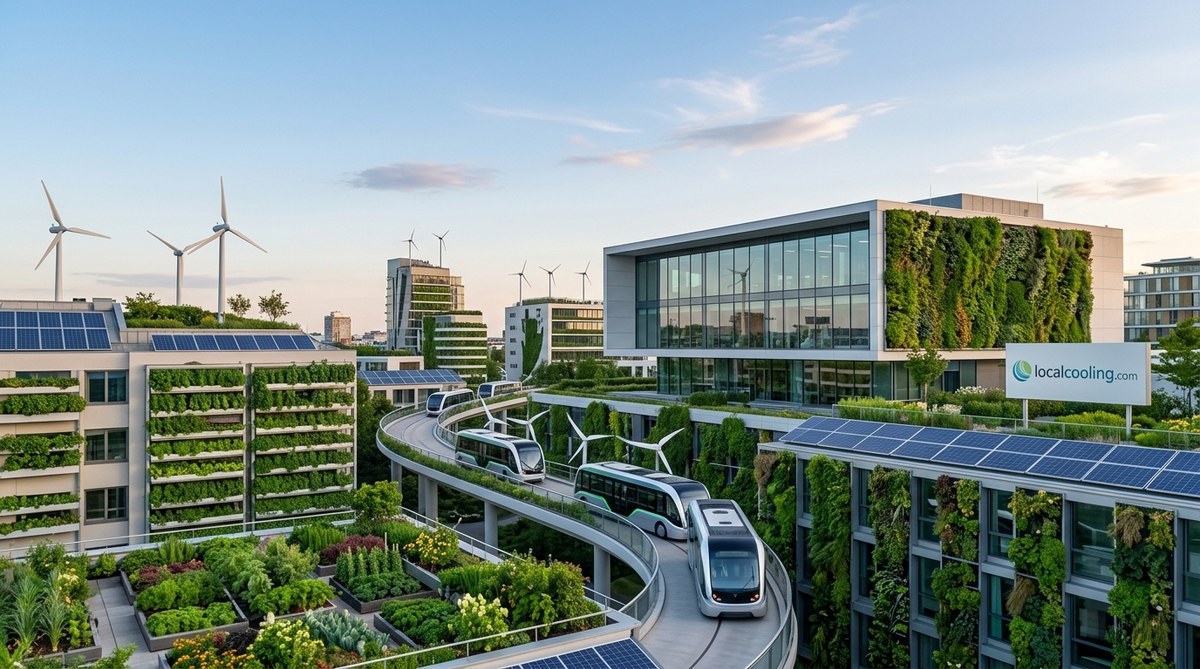
Urban areas face increasing pressure to become more sustainable while accommodating growing populations. Cutting-edge green technologies are now at the forefront of urban transformation, offering practical solutions that blend environmental benefits with vibrant city life. From smart energy systems to eco-friendly infrastructure, these innovations are paving the way for cleaner, healthier, and more resilient cities.
Advancements in green technology are revolutionizing urban living by reducing emissions, conserving resources, and enhancing city resilience. Embracing these innovations can create more sustainable and livable urban environments for future generations.
Understanding the Role of Green Technologies in Cities
Cities are complex ecosystems that demand innovative solutions to address challenges like pollution, energy consumption, and waste management. Cutting-edge green technologies are designed to tackle these issues head-on, making urban spaces more sustainable. They often involve integrating smart systems, renewable energy sources, and eco-friendly materials into city planning and infrastructure.
These technologies do more than just cut emissions. They also improve quality of life by enhancing air quality, increasing green spaces, and promoting energy efficiency. As urban populations continue to grow, adopting these solutions becomes not just beneficial but essential for sustainable development.
Key Innovations Driving Sustainable Urban Living
1. Smart Energy Systems
Smart grids and energy management platforms are transforming how cities consume power. These systems optimize energy distribution, reduce waste, and facilitate the integration of renewable sources like solar and wind. For instance, some cities are deploying intelligent sensors to monitor energy use in real time, allowing for dynamic adjustments that save power and lower carbon footprints.
2. Green Roofs and Vertical Gardens
Green roofs and vertical gardens are more than aesthetic additions. They help insulate buildings, reduce urban heat islands, and improve air quality. Technologies like modular planting systems and automated irrigation make maintaining these green spaces easier and more efficient, even in densely built areas.
3. Renewable Energy Integration
Cities are increasingly adopting solar panels, wind turbines, and other renewable tech to power urban infrastructure. Innovations like solar glass and building-integrated photovoltaics allow for energy generation without sacrificing architectural aesthetics. These solutions make it feasible to turn city buildings into mini power plants.
4. Eco-Friendly Transportation
Electrification of public transit, bike-sharing programs, and smart traffic management are reducing reliance on fossil fuels. Emerging technologies include autonomous electric buses and solar-powered charging stations, which help cities cut transportation emissions and improve mobility.
5. Water Conservation and Recycling
Advanced water treatment and recycling systems are vital for urban sustainability. Technologies such as greywater recycling, smart leak detection, and rainwater harvesting systems enable cities to conserve water and manage resources more effectively.
Practical Steps to Implement Green Technologies
- Assess Local Needs: Conduct environmental audits to identify key areas for improvement.
- Prioritize Projects: Focus on high-impact solutions like renewable energy and green infrastructure.
- Partner with Experts: Collaborate with tech providers, environmental engineers, and urban planners.
- Invest in Smart Infrastructure: Upgrade existing systems with sensor-based and IoT-enabled technology.
- Promote Community Engagement: Educate residents about sustainability initiatives to foster support.
Common Techniques and Pitfalls
| Technique | Benefit | Common Mistake |
|---|---|---|
| Solar panel installation | Reduces reliance on grid power | Poor site assessment leading to low efficiency |
| Green roofing | Insulates buildings and lowers heat | Overloading structures without proper engineering |
| Smart energy management | Optimizes power use | Ignoring maintenance of sensors and systems |
| Water recycling systems | Conserves water resources | Underestimating ongoing operational costs |
“The key to successful urban sustainability lies in integrating smart technology with community-driven initiatives,” advises Dr. Lisa Chen, an environmental engineer specializing in urban tech.
Challenges and How to Overcome Them
Implementing cutting-edge green solutions involves navigating technical, financial, and regulatory hurdles. For example, high upfront costs can deter investment. To counter this, cities can explore grants, public-private partnerships, and innovative financing models.
Additionally, some technologies require specialized maintenance and training. Establishing local expertise and ongoing education programs ensures systems remain effective. Engaging residents early can also boost acceptance and participation in sustainability projects.
The Future of Eco-Conscious Cities
Emerging trends suggest that cities will become more interconnected and responsive through the use of artificial intelligence and big data. Smart sensors can predict energy needs, optimize traffic flows, and monitor environmental conditions in real time. This data-driven approach allows for adaptive urban management that reduces waste and enhances resilience.
Furthermore, advancements in material science are leading to more durable, sustainable construction materials. These innovations will enable cities to build infrastructure that is both eco-friendly and long-lasting.
Final Thoughts on Building Greener Cities
Adopting cutting-edge green technologies is no longer optional but a necessity to ensure urban sustainability. By embracing innovations like smart energy systems, green infrastructure, and renewable solutions, cities can reduce their environmental impact while improving residents’ quality of life. It’s about creating urban environments that are resilient, efficient, and welcoming.
Applying these technologies requires a collaborative effort among planners, engineers, policymakers, and communities. Start small, plan strategically, and invest in future-proof solutions. The more cities integrate these innovations, the better equipped they will be to face climate challenges and foster thriving urban ecosystems.
Paving the Way for Sustainable Urban Living
As urban areas continue to grow, so does the opportunity to harness the power of innovative green tech. Keep an eye on emerging solutions and consider how they might fit into your city’s unique context. Sustainability is a journey that benefits everyone, turning cities into cleaner, smarter, and more enjoyable places to live. Together, through thoughtful application of these technologies, we can build cities that thrive well into the future.