
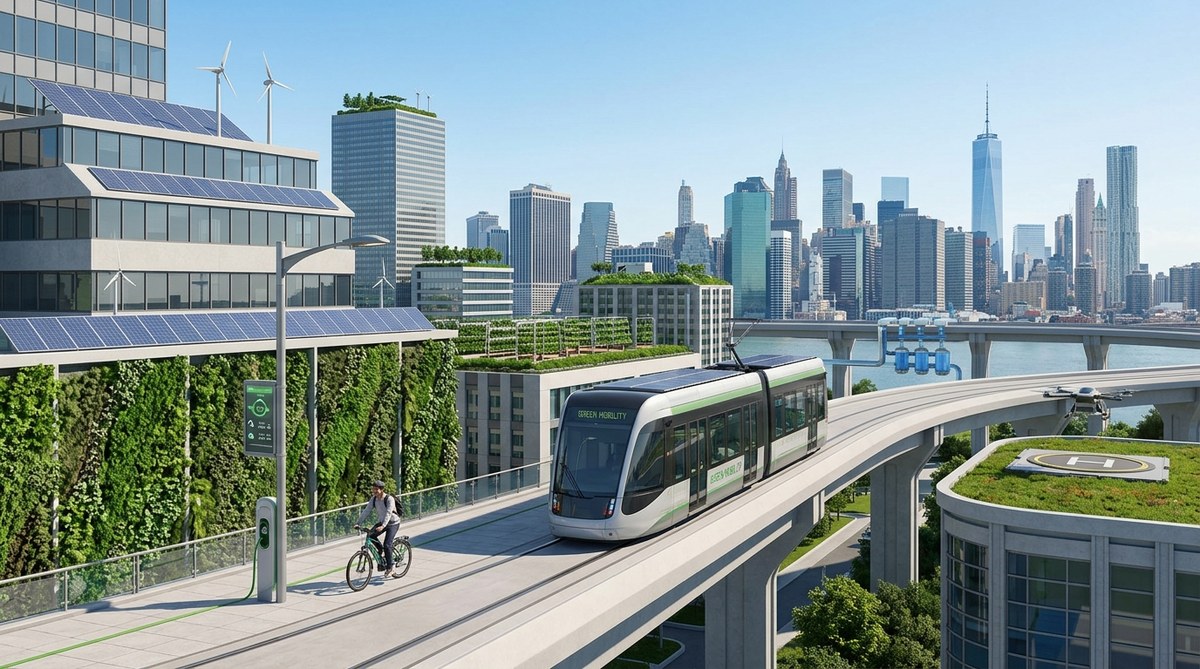
Cities stand at a crossroads. As urban populations swell, the challenge is to develop environments that are not only livable but also resilient and eco-friendly. Green technologies are paving the way for this transformation. They help cities reduce their carbon footprint, improve air quality, and manage resources more efficiently. For urban planners, policymakers, and sustainability advocates, understanding these innovations is key to building cities that thrive now and in the future.
Green technologies are revolutionizing urban sustainability by integrating renewable energy, eco-friendly design, and smart systems. These innovations help cities cut emissions, conserve resources, and improve resilience for future generations.
How Green Technologies Are Changing Urban Environments
Green technologies are a broad set of innovations designed to make cities more sustainable. From renewable energy solutions to smarter waste management, each plays a vital role in reducing environmental impacts. The goal is to create urban spaces that are healthier, more efficient, and better prepared for climate challenges.
Renewable energy powering city life
Renewable energy sources like solar, wind, and geothermal are transforming how cities generate power. Installing solar panels on rooftops and integrating wind turbines into urban landscapes are common strategies. These solutions reduce reliance on fossil fuels, cut greenhouse gas emissions, and often lower energy costs over time. Cities like San Diego and Munich have made significant strides in integrating renewable energy into their grids, setting models for others to follow.
Green building design and materials
Buildings account for a large share of urban emissions and resource consumption. Using green building materials such as recycled steel, bamboo, and low-impact concrete helps reduce environmental footprints. Incorporating energy-efficient systems like smart lighting and HVAC controls further slashes energy use. Green roofs and walls, which are covered with plants, not only insulate buildings but also improve air quality and urban biodiversity.
Smart systems for urban efficiency
Smart city technologies enable real-time data collection and analysis. These systems optimize energy use, manage traffic flow, and improve waste collection. For example, sensor-enabled waste bins notify collection crews when they are full, reducing unnecessary trips. Smart grids balance electricity demand and supply, making energy distribution more efficient and resilient.
Practical Steps for Implementing Green Technologies
Implementing green solutions in urban areas involves a sequence of strategic actions. Here are three practical steps city leaders and planners can follow:
-
Assess local needs and resources: Conduct thorough evaluations of energy consumption, waste management, and environmental challenges. Understanding local conditions guides the selection of appropriate green technologies.
-
Develop supportive policies and incentives: Establish policies that encourage renewable energy adoption, green building practices, and smart infrastructure. Incentives like tax credits and grants motivate developers and property owners to embrace eco-friendly solutions.
-
Engage the community and stakeholders: Foster public participation through education campaigns and involvement in planning processes. Collaborative efforts ensure that green initiatives are widely accepted and effectively maintained.
Techniques and common pitfalls
| Technique | Mistake to Avoid |
|---|---|
| Installing solar panels without proper shading analysis | Overlooking shading can drastically reduce efficiency |
| Using outdated building materials | Relying on materials that do not meet sustainability standards |
| Ignoring local climate conditions | Applying solutions incompatible with regional weather patterns |
Tips for success
- Prioritize scalable and adaptable solutions.
- Collaborate with technology providers and environmental experts.
- Monitor and evaluate performance regularly to refine strategies.
“Integrating green technologies into urban planning is not a one-time effort. It requires ongoing commitment, innovation, and community engagement to truly realize sustainable cities,” advises urban sustainability researcher Dr. Lisa Carter.
Green Technologies in Action: Cities Leading the Way
Many cities worldwide showcase how green innovations can reshape urban landscapes. Singapore’s extensive green roof programs, Stockholm’s smart energy grids, and Vancouver’s focus on green transportation exemplify this trend. These examples demonstrate that with the right mix of policies, technology, and community participation, cities can become models of sustainability.
Common strategies include:
- Installing renewable energy systems
- Promoting green building standards
- Developing sustainable transportation networks
- Implementing water conservation technologies
- Enhancing urban biodiversity with green spaces
Challenges to Overcome
Despite the promise, integrating green technologies faces hurdles:
- High upfront costs
- Policy and regulatory barriers
- Limited public awareness
- Technical limitations and maintenance demands
To address these issues, cities need to foster innovation-friendly policies, provide financial incentives, and educate residents about the benefits of green solutions.
Shaping the Future of Urban Sustainability
Green technologies are continuously advancing, offering new opportunities for smarter, cleaner cities. Innovations like energy harvesting infrastructure, biodegradable materials, and AI-driven resource management are on the horizon. Embracing these developments requires a proactive approach from city leaders and communities alike.
Moving forward, consider these strategies:
- Invest in research and pilot projects
- Foster cross-sector collaborations
- Incorporate resilience planning in all projects
- Promote policies that support sustainable urban growth
Final thoughts on green tech and urban resilience
Building cities that are both sustainable and resilient depends on adopting the right green technologies. These innovations not only help reduce environmental impacts but also improve quality of life for residents. Whether it is through smarter energy systems, eco-friendly buildings, or sustainable transportation, each step contributes to a healthier urban future. Take time to explore how your city can implement these solutions, and be part of the movement toward greener, smarter urban living.
Turning green innovations into everyday urban reality
Envision your city as a place where green technology works seamlessly in the background. It is not just about big projects but also small, practical steps that everyone can support. By staying informed and involved, you can help shape a future where cities thrive in harmony with the environment. Every effort counts toward creating urban spaces that are resilient, sustainable, and enjoyable for generations to come.