
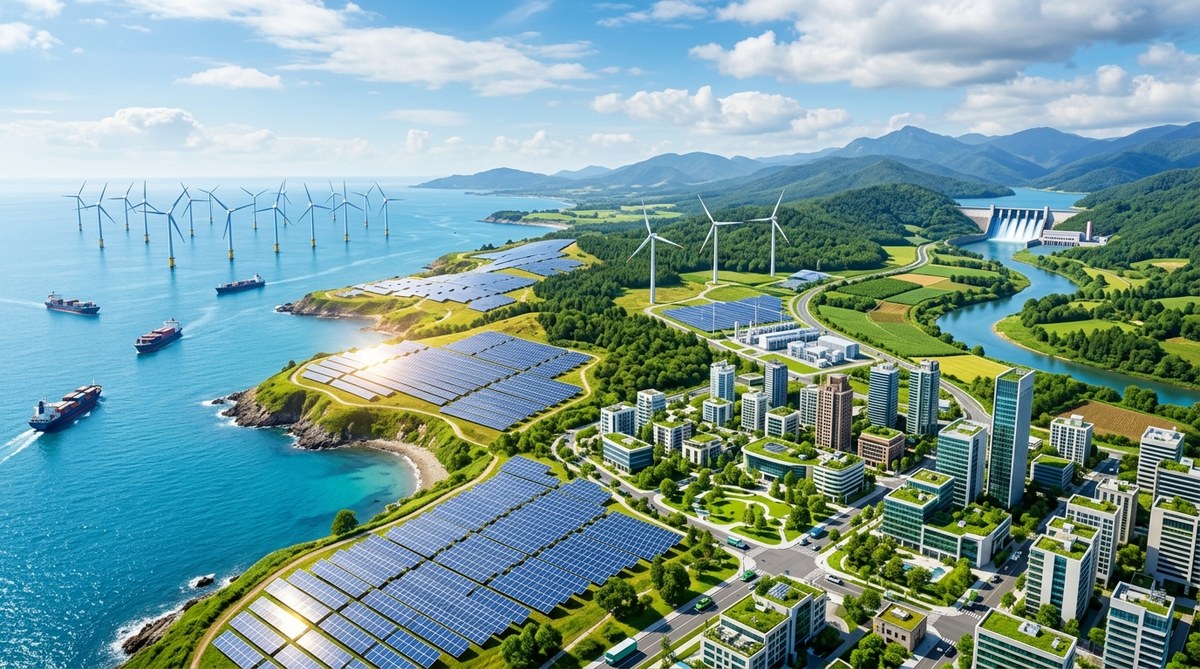
Harnessing renewable energy is more than just a trend. It’s a vital step toward creating a healthier planet and a resilient economy. As societies face climate change and resource scarcity, renewable energy offers a clean alternative that benefits the environment while sparking economic growth. This article explores how embracing renewables can power a sustainable future, the practical steps involved, and the broader impact on communities and industries alike.
Harnessing renewable energy supports environmental health and economic resilience by reducing emissions, creating jobs, and fostering innovation. Practical steps include assessing resources, engaging stakeholders, and adopting smart policies to maximize benefits for communities and industries.
How renewable energy transforms our environment and economy
Investing in renewable energy sources like solar, wind, hydro, and geothermal is a powerful way to address climate change while boosting local economies. These sources produce little to no greenhouse gases, helping reduce the carbon footprint. Moreover, renewable projects stimulate job creation, support local industries, and encourage technological innovation.
The shift toward renewables also leads to energy independence. Regions can generate their own power, reducing reliance on imported fossil fuels. This independence stabilizes energy prices and shields economies from global market fluctuations. As more communities adopt clean energy solutions, they become models of sustainability and resilience.
Practical steps to harness renewable energy effectively
To realize the benefits of renewable energy, communities and organizations should follow clear steps:
-
Assess local renewable resources
Start by evaluating the availability of natural resources. For example, areas with abundant sunlight are ideal for solar power, while windy regions can generate wind energy. Tools like geographic information systems (GIS) and solar maps can help identify the best sites. -
Engage stakeholders and build partnerships
Involving local governments, businesses, and residents ensures broad support. Collaborations can include community workshops, public-private partnerships, and educational campaigns to raise awareness about benefits and opportunities. -
Implement supportive policies and incentives
Smart policies accelerate renewable adoption. Examples include tax credits, grants, feed-in tariffs, and streamlined permitting processes. These incentives reduce upfront costs and encourage investment. -
Invest in technology and infrastructure
Deploy the latest renewable technologies, such as advanced solar panels or wind turbines. Upgrading grid infrastructure ensures efficient power distribution and storage options like batteries improve reliability. -
Monitor performance and adapt strategies
Regularly tracking project outcomes helps optimize performance. Data-driven adjustments ensure the maximum environmental and economic returns.
Techniques and common mistakes
| Techniques | Mistakes to avoid |
|---|---|
| Conduct comprehensive resource assessments | Relying on outdated data or assumptions |
| Engage diverse stakeholders early | Ignoring community concerns or feedback |
| Use innovative financing models | Underestimating project costs or maintenance |
| Prioritize grid modernization | Overlooking storage needs or backup systems |
Benefits that go beyond the environment
Harnessing renewable energy offers numerous advantages beyond reducing emissions:
- Job creation: The renewable sector employs millions worldwide, spanning manufacturing, installation, maintenance, and research.
- Economic growth: Local investments in renewable projects can boost regional economies and attract new businesses.
- Energy resilience: Distributed generation reduces vulnerability to outages and supply disruptions.
- Health improvements: Cleaner air and water quality decrease health issues related to pollution.
Expert advice
“The key to successful renewable energy projects lies in community engagement and innovative financing. When local stakeholders believe in the benefits, projects are more likely to succeed and sustain long-term.” — Dr. Lisa Moreno, renewable energy researcher
Broader implications for policy and society
Policymakers play a crucial role in creating an environment where renewable energy can thrive. Setting clear renewable portfolio standards, providing incentives, and investing in research are essential steps. Furthermore, education and outreach foster public support and understanding.
Communities that prioritize renewable energy often become leaders in sustainability. They attract talent, reduce costs, and improve quality of life. As technology advances and costs decline, more regions will find it practical to transition to clean energy sources.
Embracing innovation for a sustainable future
Advancements in technology continue to make renewable energy more efficient and affordable. Innovations such as floating solar farms, bladeless wind turbines, and smart grid systems expand possibilities.
Innovation also involves integrating renewable energy with other sustainable practices, like energy efficiency measures and circular economy principles. Combining these approaches amplifies environmental benefits and economic returns.
Final thoughts: turning vision into action
Harnessing renewable energy for the environment and economy is a practical, impactful approach to addressing some of our most pressing challenges. By assessing local resources, engaging communities, and adopting smart policies, anyone can contribute to a cleaner, more resilient future.
Start small by exploring renewable options in your community. Support policies that favor sustainable practices. Every step taken today builds a healthier planet for tomorrow.
Cultivating a sustainable energy mindset
Adopting renewable energy is a journey that involves continuous learning and adaptation. Staying informed about technological developments, policy changes, and funding opportunities makes a difference. Remember, collective efforts lead to meaningful change.
By embracing renewable energy, communities and individuals become part of a global movement toward sustainability. Small actions ripple outward, creating lasting impacts for the environment and economy alike.
Learn more about how adopting renewable energy solutions can transform your community and support sustainable development by visiting harnessing renewable energy for environment and economy.